
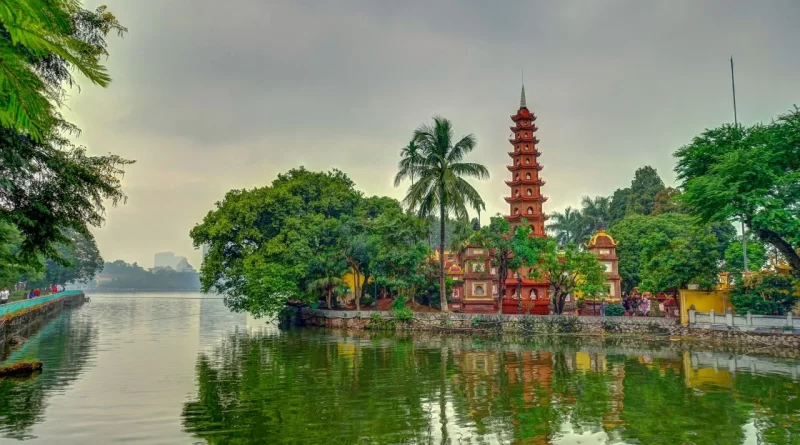
Why Vietnam Should Be Your Next Travel Destination
The most common mistake we see with Vietnam trips isn’t picking the wrong city. It’s trying to see all of them. The country runs about 1,000 miles from north to south, and a plan that squeezes Hanoi, Sapa, Hue, Hoi An, Saigon and an island into one week usually leaves travelers tired, with half the vacation spent in airports and vans.
This guide is meant to help you avoid that. Below you’ll find what each region offers, how trips are usually structured, what things cost, when to go and what to confirm before you pay a deposit. If you’d rather skip the research, our team can build a customized Vietnam tour around your dates, pace and budget, and you can review a draft plan before committing to anything.
Want a second opinion on your route? Request a free quote and talk to a Vietnam trip specialist.
Why Travelers Love Vietnam
Vietnam suits very different trips, from slow honeymoons to weeks with teenagers. Four things explain most of its appeal.
Strong Value for an International Trip
Hotels, guides, domestic transport and meals cost far less than comparable trips in much of Europe or East Asia. Instead of settling for basic rooms, you can stay in a boutique hotel in the Old Quarter and still afford a private guide. For a budget-friendly Vietnam holiday, the savings come from smart routing and shoulder-season dates, not from cutting quality.
Easy to Reach From Major Hubs
Hanoi, Da Nang and Ho Chi Minh City all receive direct or one-stop international flights. Because the airports sit at different points along the country, you can land in one and fly home from another. This open-jaw ticket saves a full day of backtracking.
A Simple Entry Process
Most travelers can apply for a visa online before departure. Details are in the visa section below.
Food That Suits Almost Every Diet
Vietnamese cooking leans on fresh herbs, rice noodles and broth rather than heavy sauces. Vegetarians do well too: look for restaurants marked “chay,” which serve plant-based meals. A guided Vietnam street food tour is the quickest way to learn what to order, especially in Hanoi, Hoi An and Saigon. A few dishes worth planning around:
- Pho in Hanoi, where the broth is lighter and cleaner than the versions most people know abroad.
- Bun cha, grilled pork with rice noodles and herbs, a Hanoi lunch staple.
- Cao lau in Hoi An, a noodle dish tied so closely to the town that it rarely tastes the same elsewhere.
Top Places to Visit in Vietnam
The must-see destinations in Vietnam fall into five clusters. You don’t need all of them. Most travelers get a better trip from three or four, with enough time in each to actually settle in.
Hanoi and Ha Long Bay
Hanoi is the best place to begin. The Old Quarter’s narrow streets, the Temple of Literature and a traditional water puppet show give you a fast introduction to northern Vietnamese culture. From there, Ha Long Bay is a UNESCO World Heritage Site with around 1,600 limestone islands rising out of green water. What to know before you go:
- Overnight cruises give you sunset and sunrise on the water, which day trips miss.
- Lan Ha Bay, next door, has similar scenery with fewer boats.
- When you handle Ha Long Bay cruise booking, compare cabin category, route and group size, not just the price.
Sapa
Sapa sits in the Hoang Lien Son mountains, roughly five to six hours from Hanoi by road. An overnight train is the other option. Rice terraces, minority villages and cool mountain air are the draw.
- The terraces turn golden around September and October and stay green from late spring through summer.
- A guided Sapa trekking tour gets you to villages like Lao Chai and Ta Van, plus a night in a family homestay.
- Pack layers, and allow two nights, since fog can hide the views.
Read also: 10 Best Treks and Hikes in Vietnam
Da Nang, Hoi An and Ba Na Hills
Da Nang is a modern beach city. Hoi An, about 45 minutes away, is an old trading town known for yellow shophouses and lantern-lit evenings. Most travelers base themselves in one and day-trip to the other.
- Visit Ba Na Hills and the Golden Bridge early. Crowds and cloud both build by late morning.
- A Hoi An and Da Nang tour works best with three nights. My Son, a UNESCO-listed Cham temple complex, is an easy half-day add-on.
Ho Chi Minh City and Cu Chi Tunnels
Saigon is fast, loud and always changing. A Ho Chi Minh City tour usually covers the War Remnants Museum, Notre-Dame Cathedral, the Central Post Office and Ben Thanh Market. The museum is emotionally heavy, so plan something lighter afterward. The Cu Chi Tunnels, roughly 90 minutes from downtown, and the Mekong Delta are the two most popular day trips.
Phu Quoc and Phong Nha
Phu Quoc suits the final three days of a trip: quiet beaches, fresh seafood and good sunsets. It’s at its best from November to April, so a Phu Quoc beach holiday pairs well with a winter city route. For travelers who want Vietnam adventure travel beyond trekking, Phong Nha-Ke Bang National Park offers cave exploration, including Paradise Cave, and river kayaking.
Popular Tour Packages and Itineraries
Package lengths vary, but most follow a few proven patterns. We keep routes short and logical so you spend your time in places, not between them.
5 Nights / 6 Days: The Essentials
A tight first look: Hanoi, Ha Long Bay, plus Hoi An or Saigon. A 6-day Vietnam package suits limited vacation time, as long as you accept leaving some things for next time.
7 Nights / 8 Days: The Classic Route
North to south through Hanoi, Ha Long Bay, Da Nang, Hoi An and Ho Chi Minh City. The 8-day Vietnam package is the one we suggest to most first-timers because it balances culture, scenery and downtime with just two domestic flights.
Honeymoon Packages
A Vietnam honeymoon package trades sightseeing hours for atmosphere. Think private transfers, a Ha Long Bay cabin with a balcony, a lantern-boat ride in Hoi An and a beach resort stay. Share your wedding date when you inquire, since hotels often add upgrades.
Read also: Honeymoon in Vietnam: Romantic Destinations You Can Book Today
Family Packages
A Vietnam family tour package works best with shorter drives, connecting rooms and activities kids will remember: a Mekong Delta boat ride, a cooking class, lantern-making in Hoi An and the cable car at Ba Na Hills. Ask about child pricing and whether vehicles have child seats.
Group, Private and Luxury Options
- A Vietnam group tour lowers the per-person cost and suits solo travelers who want company, but you follow a fixed schedule.
- A private Vietnam tour gives you your own guide and vehicle, so you can linger, skip or change plans on the day.
- Luxury Vietnam tours typically add five-star or boutique resorts, private cruises and airport fast-track services.
Package Comparison at a Glance
| Package | Duration | Typical Route | Best For | Indicative Price* |
| Essentials | 5N / 6D | Hanoi, Ha Long Bay, plus Hoi An or Saigon | First visit, limited time | $750 – $1,200 |
| Classic | 7N / 8D | Hanoi, Ha Long Bay, Da Nang, Hoi An, Saigon | First-timers, couples, friends | $1,000 – $1,600 |
| Honeymoon | 7N / 8D | Hanoi, Ha Long Bay, Hoi An, Phu Quoc | Couples wanting privacy and upgrades | $1,300 – $2,300 |
| Family | 8N / 9D | Hanoi, Ha Long Bay, Hoi An, Saigon, Mekong | Parents with children | $1,100 – $1,900 per adult |
| Private Luxury | 8N+ / 9D+ | Fully customized, flexible pace | Special occasions, high comfort | From $2,500 |
Vietnam Trip Cost: What You Actually Pay For
Price depends more on hotel category, season and group size than on the route itself. Here’s how to read a quote.
What’s Usually Included
- Hotel nights with daily breakfast
- Airport and city transfers, plus domestic flights where the route needs them
- An English-speaking guide for sightseeing days
- Ha Long Bay cruise with meals, if it’s part of the route
What’s Usually Extra
- International flights and the visa fee
- Travel insurance
- Most lunches and dinners
- Optional activities, spa sessions and shopping
An all-inclusive Vietnam vacation sounds simple, but the phrase means different things to different companies. Always ask for the inclusion list in writing.
Budget vs. Mid-Range vs. Luxury
| Level | Hotels | Transport and Guides | Indicative Cost per Day* |
| Budget | 3-star or good guesthouses, simple rooms | Shared tours, group transfers, local buses or trains | $70 – $110 |
| Mid-Range | 4-star and boutique hotels, central locations | Private transfers, small-group or private guides | $120 – $200 |
| Luxury | 5-star resorts, villas, premium cruise cabins | Private vehicle and guide, fast-track services | $250 – $450+ |
Best Time to Visit Vietnam
Vietnam has three weather zones, and they don’t agree. A two-week trip rarely hits perfect weather everywhere, so choose the regions that suit your travel month.
- North (Hanoi, Ha Long Bay, Sapa): October to November and March to April are the most comfortable. December to February is cool and misty, and Sapa can get properly cold. Summer is hot, humid and rainy.
- Central (Hue, Da Nang, Hoi An): February to May is the dry, sunny window. September to November brings heavy rain and typhoon risk, and Hoi An sometimes floods in autumn.
- South (Saigon, Mekong Delta, Phu Quoc): December to April is dry. May to November has a rainy season, but showers are usually short and fall in the afternoon.
Two timing notes that affect your wallet. First, Tet, the Lunar New Year in late January or February, is the biggest holiday of the year. Many shops and restaurants close, transport sells out and hotel rates rise, so avoid it unless you want to see the celebrations. Second, shoulder months such as March, April and late October are where the best Vietnam vacation deals tend to appear, with good weather in at least one or two regions and fewer crowds.
Read also: When Is the Best Time to Visit Vietnam?
Vietnam Visa and Travel Tips
Entry Requirements
Most visitors apply for a Vietnam e-visa through the government’s official portal before traveling, while some nationalities receive short visa-free stays instead. Rules and fees change, so confirm current requirements before booking flights.
- Your passport should be valid for at least six months from arrival, with blank pages.
- Apply only on the official portal. Look-alike sites charge extra for the same form.
- Processing usually takes a few business days, so apply at least two weeks before departure.
- Carry a printed copy of your approval.
Practical Tips From the Ground
- Money: the currency is the Vietnamese dong. Cards work in hotels and larger restaurants, but street food and small shops run on cash. Withdraw from bank-attached ATMs.
- Rides: use a ride-hailing app such as Grab or a metered taxi from a known company like Vinasun or Mai Linh. It avoids haggling.
- Crossing streets: walk slowly and steadily. Motorbikes steer around you.
- Health: see a travel clinic several weeks before departure, drink bottled water and buy travel insurance that covers medical care.
Why Book with Turban Adventures
When you compare any Vietnam travel agency, judge them on what they put in writing rather than what a homepage promises. This is how we approach it:
- Routes built around you, not copied from a template.
- Itemized quotes that show hotel names, inclusions and exclusions.
- Local guides who know which trails turn muddy in October and which cruise boats are worth the upgrade.
- Support during your trip, so someone answers when a flight changes.
- Straight advice. If a route is too rushed, we’ll tell you.
Questions to Ask Any Operator Before Paying a Deposit
- Who owns and operates the cruise, hotels and vehicles on my itinerary?
- What is the exact cancellation and refund policy?
- How many people are in the group, and how large is the vehicle?
Browse sample routes on our Vietnam tour page, or tell us what you have in mind and we’ll adjust.
Frequently Asked Questions
Seven to ten days works for a first visit covering north, center and south. With five or six, pick two regions.
Planning alone saves money if you enjoy logistics. A package makes sense when time is limited, you want a guide or you need something that sells out, like a Ha Long Bay cabin.
Most cover hotels with breakfast, transfers, guided sightseeing, entrance fees and a cruise where relevant. International flights, visas and most dinners are usually separate. Ask for the full list in writing.
Three to four months ahead is comfortable for most seasons. Book earlier for Tet, peak winter beach weeks and any luxury cruise.
Vietnam is generally welcoming, with low violent crime. The main city risk is phone and bag snatching from passing motorbikes, so keep valuables away from the street side.
It depends on your passport. Many travelers apply online for an e-visa, and some nationalities are exempt for short stays. Check the official government portal for current rules before you pay anyone.
Yes. Tell us your dates, interests, pace and budget, and we’ll adjust cities, hotel levels and activities.
Carry small bills for markets and street food, use a no-foreign-fee card in hotels and restaurants, and withdraw from bank-attached ATMs.
Yes. Pairing it with Cambodia’s Angkor Wat is popular, with short flights linking Hanoi or Ho Chi Minh City to Siem Reap. Each added country costs travel time, so extend your trip if you can.
It depends on the supplier’s terms, which is why you should ask before paying. Cancellation windows, change fees and refund rules differ by hotel and cruise. Trip-interruption insurance adds a second layer of protection.
Ready to Plan Your Vietnam Trip?
The easiest way to book your Vietnam trip without second-guessing every choice is to start with a conversation. Send us a few details and we’ll reply with a draft route and a clear price.
Helpful details to share:
- Your travel dates, or the month you’re considering
- Number of travelers and ages
- Budget range per person
- Interests: food, trekking, beaches, history, relaxation
- Any cities you already know you want
Ready when you are: Get your free Vietnam quote and speak with a travel specialist who has planned this route before.