
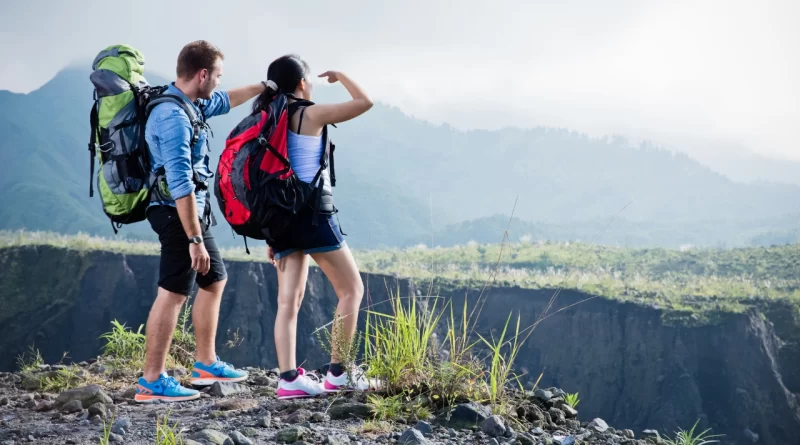
10 Best Treks and Hikes in Vietnam
Most people who visit Vietnam see Halong Bay, walk around Hanoi’s Old Quarter, and call it a trip. Fair enough. But we spend most of our time somewhere else — up in the northern hills, where the rice fields are cut into the mountainside like giant green steps and the only sound for miles is a water buffalo bell echoing up from the valley.
We’ve guided people up these trails for years, and honestly, Vietnam trekking still surprises us. It’s not just a walk. You get a real physical challenge, time in villages that haven’t changed much in generations, and views that hold their own against Nepal or Peru — minus the crowds, minus the six-month permit wait.
Below are the ten treks we send people to most. Not a ranked list, really — more like ten answers to “where should I go” depending on who’s asking.
Why Trek in Vietnam at All?
Ask most travelers about Vietnam and they’ll mention food, or beaches, or maybe the traffic in Hanoi. They’re not wrong about any of that. But up along the northern border with China, and down through the central mountains, sits some of the best hiking terrain in Southeast Asia. It’s still quiet, compared to Nepal or Peru. That’s most of the appeal, if we’re being honest.
What makes it different isn’t just the scenery. It’s who lives here.
You’ll pass through villages belonging to the Hmong, Dao, Tay, and Giáy communities — families still farming the same slopes their grandparents worked. A trek here is as much about the people you meet as the peaks you climb. We’ve had guests tell us the homestay dinner was the highlight of their whole Vietnam trip, not the summit. Make of that what you will.
| Trek | Region | Difficulty | Duration | Best Season | Best For |
| Fansipan | Sapa, North | Moderate–Hard | 2–3 days | Sep–Nov, Mar–May | Peak-baggers, sunrise chasers |
| Sapa Rice Terraces | Sapa, North | Easy–Moderate | 2–4 days | Sep–early Oct | Homestay culture, gentle walking |
| Ha Giang Loop (trek sections) | North | Moderate | 1–5 days | Sep–Nov | Karst scenery, remote villages |
| Pu Luong | Thanh Hoa, North | Easy | 1–2 days | Sep–Nov, Mar–May | Beginners, weekend trips from Hanoi |
| Ta Xua | North | Moderate | 1–2 days | Oct–Mar | Cloud inversion photography |
| Mu Cang Chai | North | Moderate | 2–3 days | Sep–early Oct | Photographers, terrace views |
| Cat Ba / Lan Ha Bay | North Coast | Easy–Moderate | Half–1 day | Oct–Apr | Jungle + swim combo |
| Bach Ma | Central | Moderate | 1 day | Feb–Aug | Rainforest, biodiversity |
| Cuc Phuong | North, near Hanoi | Easy | Half–1 day | Year-round (dry best) | Families, first-time trekkers |
| Phong Nha–Ke Bang | Central | Hard (Son Doong: Expert) | 1 day–4+ days | Feb–Jul | Cave systems, serious adventurers |
1. Fansipan — The Roof of Indochina
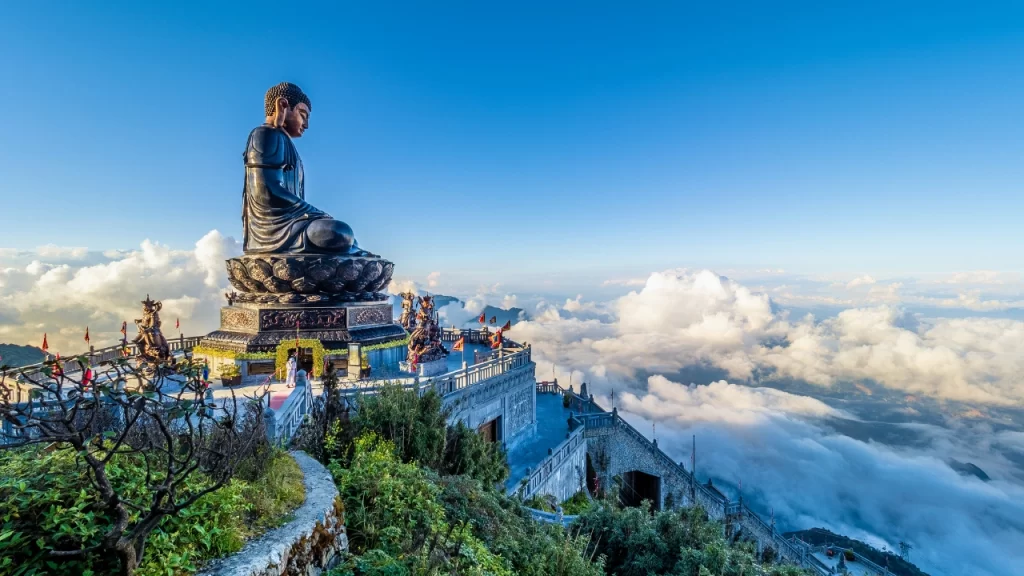
Fansipan is the tallest mountain in Vietnam, and the tallest in Indochina too, at 3,147 meters. There’s a cable car now. Fifteen minutes and you’re at the top. Some purists complain about that. We don’t, particularly — it just means more people get to see it, one way or another.
But most serious trekkers still walk it. Two to three days through forest and bamboo, climbing up into cloud. It’s not technical. No ropes, no scrambling. Your legs will still know about it by day two, though. The trail is steep, often slick with mud, and the air gets noticeably thinner near the top. You’ll need a licensed guide past the first checkpoint — this isn’t a route you can wing on your own, and honestly, you wouldn’t want to.
You’ll camp partway up. It gets cold at night, even in July — pack for it.
Get the timing right and you’ll wake up above a sea of clouds. People who’ve done both often say it beats their Himalayan sunrise. Maybe that’s the altitude talking. Or maybe it’s just true.
2. Sapa Rice Terrace Trekking
Fansipan tests your legs. Sapa tests your patience to actually slow down.
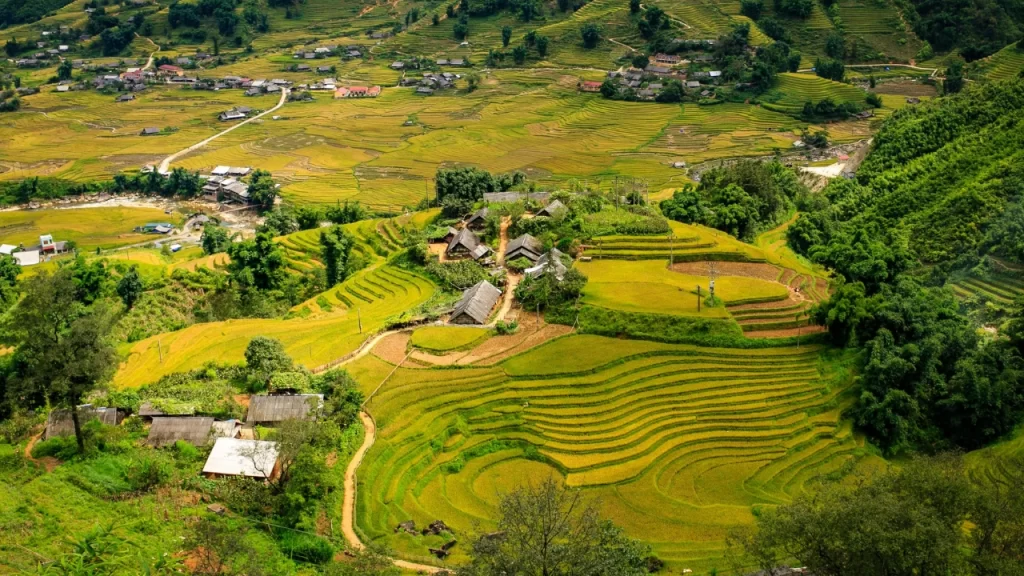
The trails here wind through valleys of terraced rice fields — the kind you’ve already seen in photos, except now you’re standing in them. Most nights you’re staying in a homestay with a Hmong or Dao family, eating whatever’s cooking over their fire that evening. Nobody hands you a menu.
Two to four days is typical, walking from village to village. Come in September or early October if you can manage it. That’s when the rice turns gold before harvest, and it’s genuinely the difference between a nice trek and one you’ll still be talking about years later.
3. The Ha Giang Loop
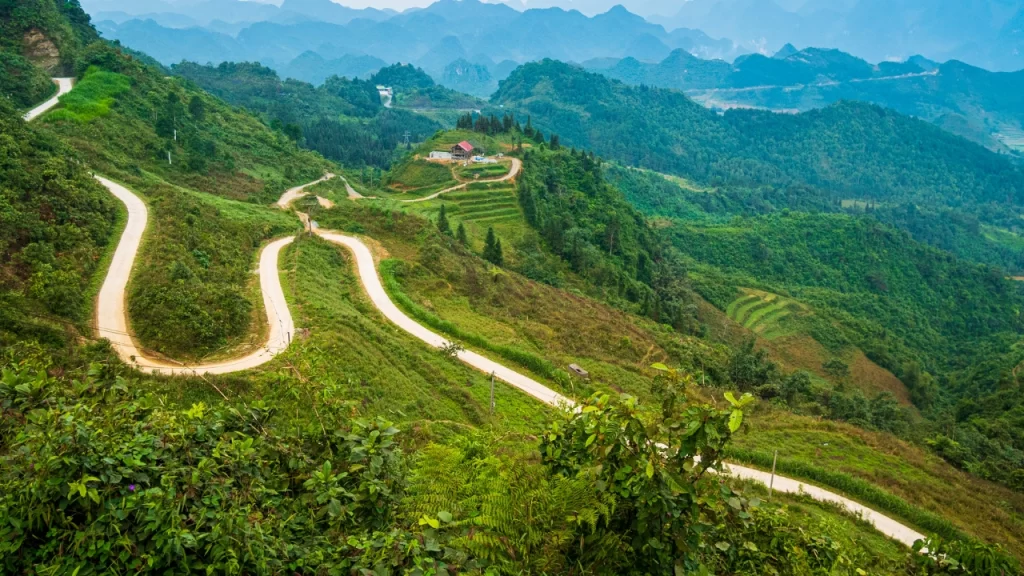
Most people know Ha Giang as a motorbike route, and it’s a great one. But a good chunk of it is even better on foot — especially around the Dong Van Karst Plateau. Sharp limestone peaks, deep valleys, and the Ma Pi Leng Pass, a road cut straight into a cliff above the Nho Que River.
It only opened to independent travelers fairly recently. Which means the villages along the way haven’t been reshaped by tourism the way Sapa’s have — not yet, anyway. Fewer people, rougher edges, more of the real thing. We’d go sooner rather than later.
4. Pu Luong Nature Reserve
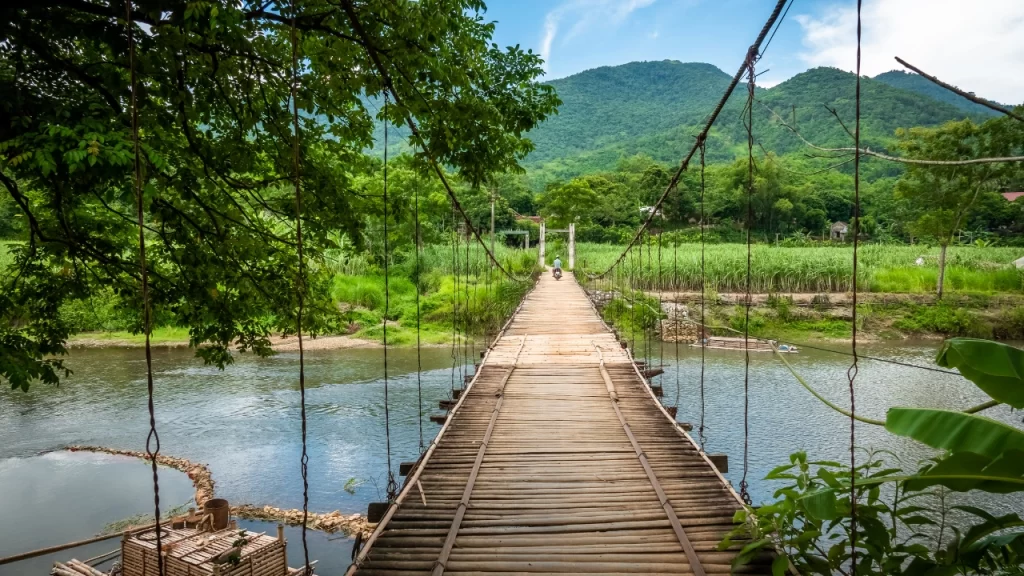
People call Pu Luong “Sapa before it got busy,” and that’s about right. Same kind of terraced beauty, a fraction of the visitors.
It’s also close enough to Hanoi that you can do it as a weekend trip without burning two days on travel getting there. Bamboo waterwheels turn slowly along the rivers, limestone cliffs rise up around Thai ethnic villages, and the trails are well marked — genuinely, some of the best signage in the region. If you’re newer to multi-day trekking, this is a forgiving place to start.
5. Ta Xua — Walking Above the Clouds
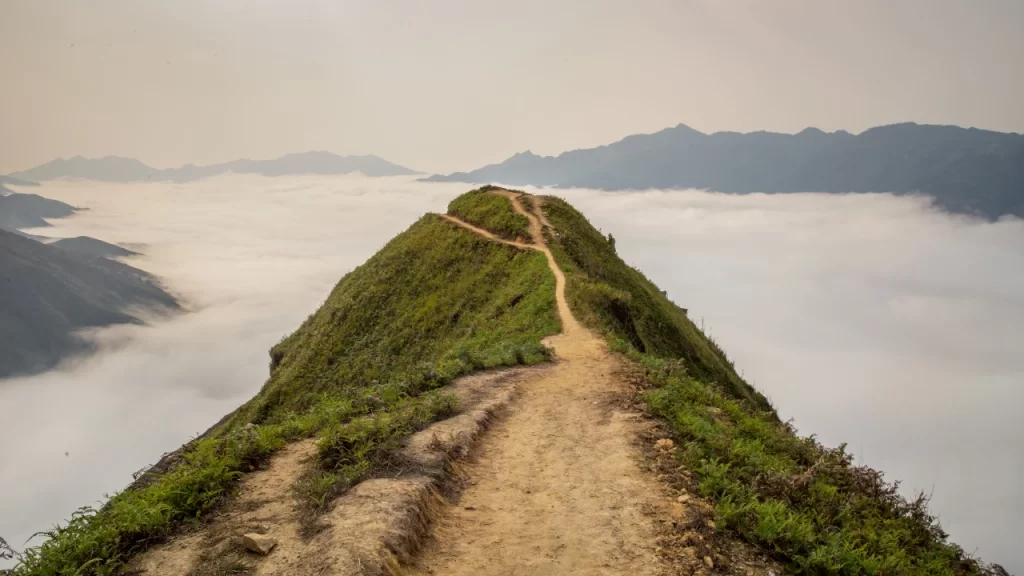
Vietnamese hikers have loved Ta Xua for years. Foreign trekkers are just starting to find it, which won’t last much longer.
The trail follows a narrow ridge locals call the “Dinosaur’s Spine” — steep drops on both sides, and on a good day, clouds rolling beneath your feet like the ground just disappeared. Go between October and March for the best odds of catching that. This whole trek really is built around one view. It delivers on it, though, and that’s more than most “one big view” hikes can promise.
6. Mu Cang Chai
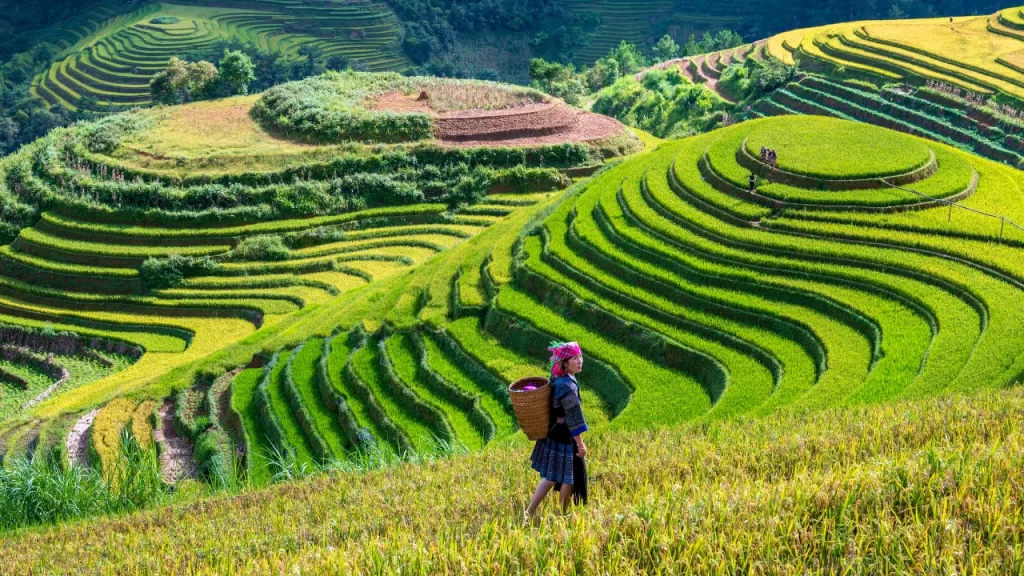
If Sapa is already on someone’s list, we usually suggest Mu Cang Chai next. The terraces here are steeper, more dramatic — the kind of thing that looks almost too perfect to be natural, and yet.
Small Hmong villages connect the trails across several valleys, and because tourism hasn’t fully caught up yet, it still feels unrushed. Go before that changes, which it probably will within a few years.
7. Cat Ba Island and Lan Ha Bay
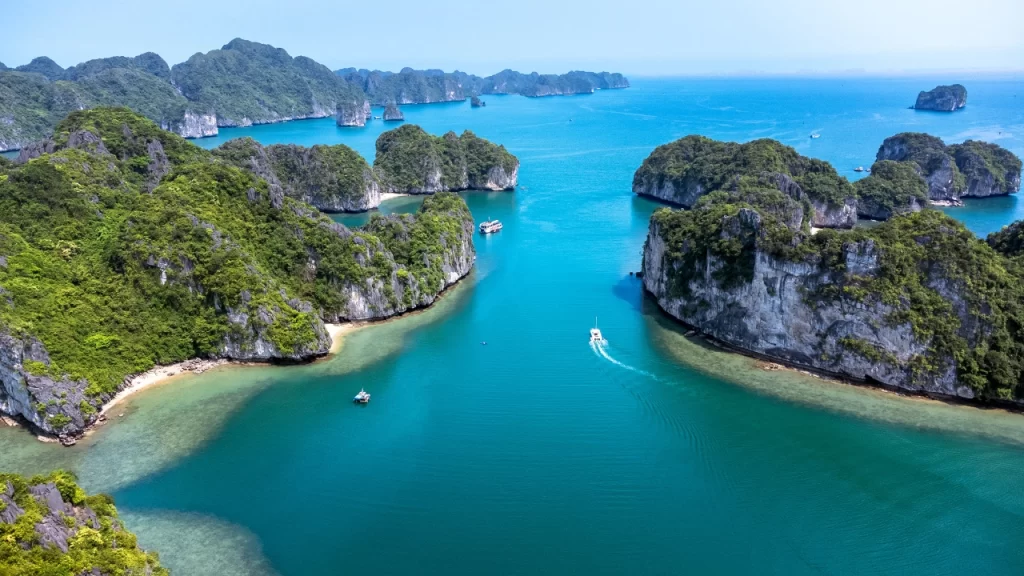
Want your trek to end with a swim? Cat Ba National Park gives you jungle trekking with karst views over Lan Ha Bay — Halong Bay’s quieter cousin, and frankly the better one for actually being on the water rather than just looking at it from a boat deck.
Pick a moderate three-hour loop, or push for a full day out to the best viewpoints. It pairs well with a few lazy days after, especially outside the summer rush when the bay isn’t wall-to-wall boats.
8. Bach Ma National Park
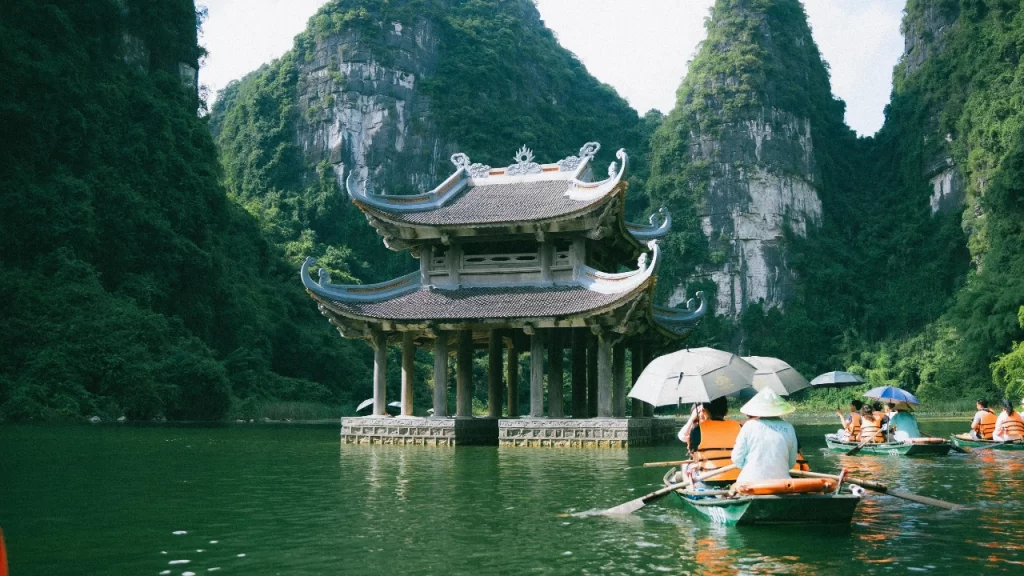
Central Vietnam, near Hue, feels like a different country up in Bach Ma. Dense rainforest, waterfalls, old French colonial ruins slowly disappearing back into the jungle — there’s something almost eerie about walking past a crumbling villa with vines through the windows.
The trek up passes through several distinct climate zones, and the biodiversity here is some of the richest anywhere in Vietnam. This isn’t about big ridgeline views. It’s slower, greener, more about what’s around you than what’s ahead. Go between February and August, before the rains set in properly.
9. Cuc Phuong National Park
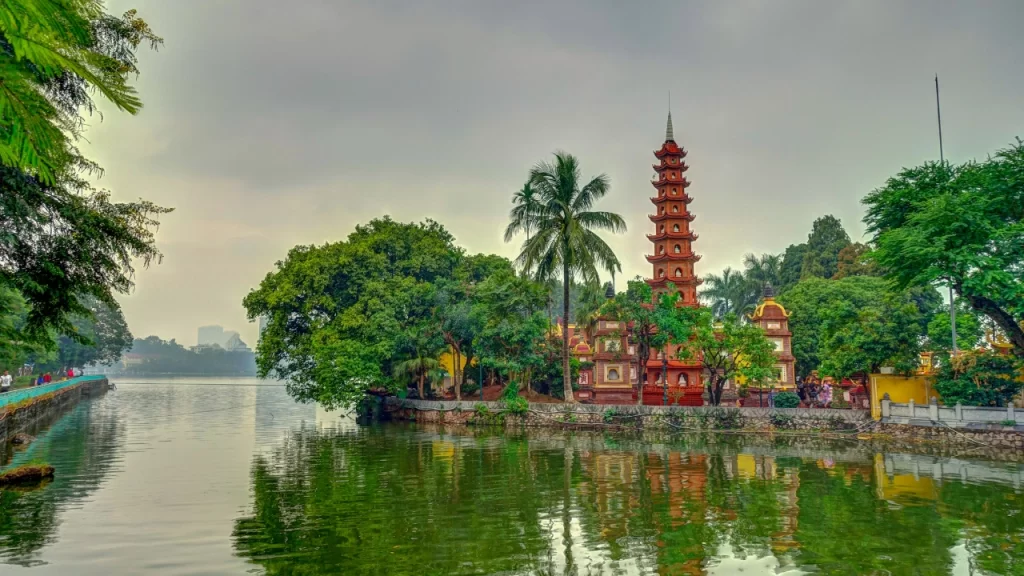
Vietnam’s oldest national park, and a good, easy choice if you’re trekking with family or just starting out. Ancient limestone forest, trees that have stood for a thousand years, and a rescue center for endangered primates along the way. Nothing extreme here. Just a gentle way into what jungle trekking in Vietnam actually feels like, before you decide whether you want more.
10. Phong Nha-Ke Bang and the Son Doong Region
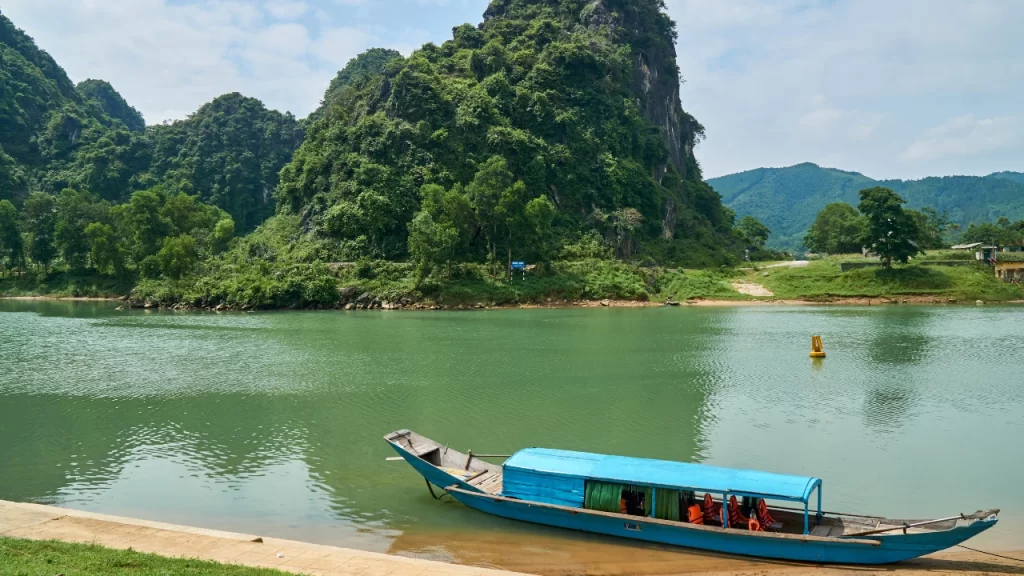
This park holds some of the most incredible cave systems on the planet, including Son Doong — the largest cave passage anywhere on Earth. Getting into Son Doong itself takes a specialized multi-day permit and isn’t something you book last-minute; if that’s the goal, plan months ahead.
But the rest of the park has jungle and karst trails that hold their own, passing smaller caves that are still, genuinely, jaw-dropping. Don’t skip the park just because Son Doong is booked out.
When Should You Go?
Vietnam is long and narrow, so the north and the center run on completely different weather patterns. Timing really depends on where you’re headed.
North (Sapa, Ha Giang, Pu Luong, Ta Xua, Mu Cang Chai): aim for September through November. The rains are done, temperatures sit in a comfortable range, and the terraces are either deep green or turning gold for harvest. March to May is your backup — a bit cooler, a bit drier, less golden but still green and pleasant. Skip June through August if you can. That’s monsoon season, and trails get muddy and leech-heavy fast. December and January bring cold air and fog up high, especially around Fansipan and Ta Xua — beautiful, but visibility can be poor.
Central Vietnam (Bach Ma, Phong Nha): February through August is dry season, and March to July is the most stable stretch inside that window. From September to January, heavy rain can flood trails and shut cave systems down entirely.
Cat Ba and the coast: October through April is your safest bet — you’ll dodge both the summer crowds and typhoon season, which tends to run July through November up north.
Trying to see more than one region in one trip? October and November are usually your best overlap — northern trails at their peak, central Vietnam just entering its dry stretch.
What to Pack
Keep it simple. Boots you’ve already broken in, with good ankle support. Moisture-wicking layers — leave the cotton at home, it won’t dry once it’s wet. A light rain shell, because mountain weather changes fast up here. A basic first-aid kit. And build in a rest day before any multi-day trek, especially Fansipan — altitude and humidity together catch more people off guard than either one alone.
Trekking poles are genuinely useful on the muddier northern trails — don’t skip them if you’re prone to knee trouble. And if you’re new to multi-day hiking, start with Pu Luong or Cuc Phuong before you commit to something like Fansipan.
Final Thoughts
None of these trails are paved. None of them are overrun. Some of the villages you’ll pass through haven’t changed much in decades, and that’s kind of the whole point of coming here instead of somewhere easier.
Ta Xua’s ridge above the clouds. Mu Cang Chai’s terraces turning gold. The scale of Ha Giang’s cliffs. Pick whichever one you can’t stop thinking about after reading this — that’s usually the right answer.
Frequently Asked Questions
September through November, if you’re heading north — dry trails, mild weather, and gold terraces at harvest. March to May is a solid second choice: greener, cooler, just a little less photogenic.
Depends where you’re going. Pu Luong and Cuc Phuong are fine even if you don’t hike much. Fansipan is another story — it’s two days of steady climbing, and altitude plus mud will slow down even fit hikers. If your longest hike so far has been an afternoon, do something easier first.
In places like Pu Luong, Cuc Phuong, and the Sapa valley walks, yes — trails are marked and villages are close together. Fansipan and the remote parts of Ha Giang are different. Fansipan legally requires a guide past the first checkpoint, and Ha Giang’s back roads have thin signage and patchy signal.
If you’re doing Sapa plus one more area — Ha Giang or Pu Luong — give yourself seven to ten days once you count travel time and at least one rest day.
The karst mountains, the Ma Pi Leng Pass carved into a cliff, and villages that still feel untouched compared to busier trekking regions.
Yes, if you go in with realistic expectations — it’s a genuine two-day physical effort, not a stroll. A shorter warm-up hike near Sapa beforehand is a smart way to test yourself first.
Waterproof boots you’ve already broken in, moisture-wicking layers, a rain shell, trekking poles, a basic first-aid kit, and bug spray if you’re heading into the lower jungle routes.
Yes, and they’re often the best part — especially around Sapa, Pu Luong, and Mu Cang Chai. You’ll eat with the family, sleep under their roof, and get a much better sense of daily life here than any hotel could give you.
Ta Xua’s cloud inversion and Mu Cang Chai’s terraces at harvest — those two come up more than anything else when people ask us this.
Depends what you want. Harvest (September to early October) means gold terraces. Planting season (March to May) means vivid green and cooler air. Neither is wrong — just pick your color.