
Sapa Trekking Guide: What to Expect, Best Season & Homestays
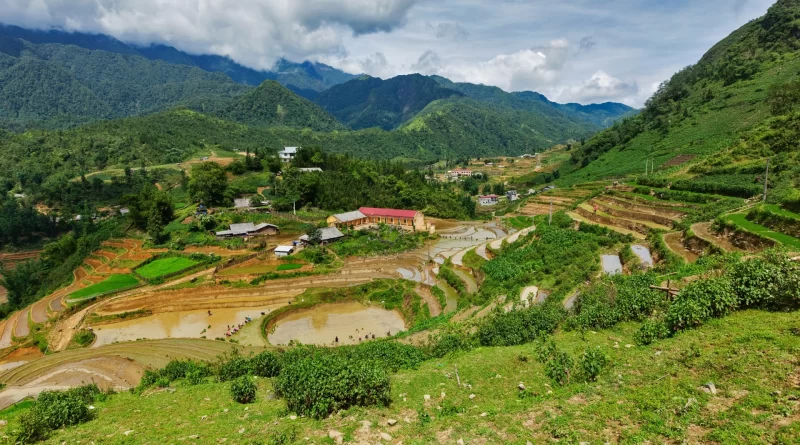
Sapa, tucked into Vietnam’s northwest mountains near the Chinese border, is the country’s most famous trekking destination — and for good reason. Terraced rice fields cascade down valley walls, ethnic minority villages sit tucked into the hillsides, and a good trek here can range from an easy half-day walk to a multi-day push toward the summit of Fansipan, the tallest peak in Indochina. This guide covers what to actually expect on the ground, when to go, how many days to budget, and how to choose a homestay that makes the trip worth it.
Why Trek in Sapa? A Quick Overview
Most people come to Sapa for one of three reasons: the rice terrace scenery, the chance to stay overnight in a Hmong or Dao village, or the challenge of climbing Fansipan. Unlike treks in more remote parts of the world, Sapa’s trails run through inhabited valleys, so you’re walking past working farms, water buffalo, and small homes rather than untouched wilderness. That’s part of the appeal — it’s as much a cultural experience as a physical one.
Best Time to Visit Sapa for Trekking
Best Season Overall: September–November and March–May
Sapa has a genuine dry season and a genuine wet season, and the difference matters more here than in most of Vietnam because trails can turn to thick mud when it rains. September through November is widely considered the best window: skies are clearer, temperatures are mild, and this is when the rice terraces turn a deep gold before harvest. March through May is the second-best stretch, with fresh green terraces and comfortable trekking temperatures, though afternoon showers are more common than in autumn.
Sapa Weather by Month
December through February brings Sapa’s coldest weather, and it’s the one part of Vietnam where frost and even light snow occasionally occur at higher elevations — pack accordingly if you’re visiting in winter. June through August is the rainy season: warm, humid, and prone to sudden downpours and slippery trails, though this is also when the terraces are at their most vividly green before they’re planted. If clear mountain views and dry trails are the priority, avoid mid-summer.
Rice Terrace Season: Green vs Golden
Timing your trek to the terraces matters if photography is a priority. The fields are lush green from roughly May through August after planting, and turn a rich gold in September and October just before harvest. Between harvest and the next planting (December through April), the terraces are drier and less photogenic, though still scenic in a different, starker way.
Season Comparison at a Glance
| Season | Months | Trail Conditions | Terrace Look | Overall Rating |
| Autumn (Best) | Sep–Nov | Dry, clear | Golden, pre-harvest | Excellent |
| Spring | Mar–May | Mostly dry, occasional showers | Fresh green | Very good |
| Summer (Wet) | Jun–Aug | Muddy, slippery | Vivid green | Fair — scenic but tougher trekking |
| Winter (Cold) | Dec–Feb | Dry but cold, occasional frost | Bare, post-harvest | Fair — cold-weather gear needed |
How Many Days Do You Need in Sapa?
One-Day Trek: A Quick Taste
If you’re short on time, a single-day trek from Sapa town down through Lao Chai and Ta Van villages gives you a solid introduction — rice terrace views, a couple of ethnic villages, and a few hours of walking, typically wrapped up with transport back to town by evening. It’s a reasonable option if you’re passing through Sapa as part of a larger Vietnam itinerary and can only spare a day.
Two to Three Days with a Homestay: The Recommended Option
Most people who trek in Sapa and come away genuinely impressed did the two- or three-day version with an overnight homestay. This slower pace lets you walk deeper into the valley, spend an evening with a local family, and cover more varied terrain without rushing. It’s also simply more comfortable — instead of one long day, the walking is split across two shorter, more enjoyable stretches.
What to Expect on a Sapa Trek
Trail Difficulty and Terrain
Sapa Trek Trail Difficulty & Condition What to Expect Most of the common treks in Sapa are easy to moderate. That means these paths are well worn paths used by locals on a daily basis, not technical mountain routes. That said, the terrain is often muddy and rough with long stretches of climbing and descending along the edges of terraces, which can be more tiring than the distance alone might suggest. Trekking poles aren’t essential but are appreciated by anyone unfamiliar with slippery clay trails.
Distance and Walking Time per Day
A typical day covers roughly 8 to 12 kilometers, taking anywhere from three to six hours depending on pace, photo stops, and how many villages you pass through. Longer treks toward more remote homestay villages can push past 15 kilometers in a day, so it’s worth asking your guide or tour operator for specifics before booking if you have a fitness concern.
Guided vs Independent Trekking
Technically it’s possible to walk some of these routes without a guide, but almost everyone books a local guide, and for good reason. Guides — often women from the local Hmong or Dao communities — know the trail conditions, provide cultural context you’d otherwise miss, and often are the ones who arrange the homestay itself. It also puts income directly into the local community rather than a distant tour company.
Book Your Best of Vietnam 12 Days 11 Nights Tour Today – Limited Seats, Unforgettable Memories!
The Sapa Homestay Experience
What a Homestay Actually Looks Like
A Sapa homestay usually means a large wooden or stilted house with a communal sleeping area — think mattresses on the floor under mosquito nets, shared with other trekkers — rather than a private room with modern amenities. Bathrooms are often shared and fairly basic. The trade-off is a home-cooked dinner with the host family, sometimes involving homemade rice wine, and a level of access to daily village life you won’t get from a hotel.
Best Villages for Homestays
Lao Chai and Ta Van are the most visited and easiest to reach, making them a comfortable choice for first-time trekkers. Y Linh Ho and Giang Ta Chai sit slightly further off the main route and tend to feel quieter and less touristed. For those wanting real distance from Sapa town, villages near Ban Ho or further into the Muong Hoa Valley offer a more remote experience, usually as part of a two- or three-day itinerary.
Booking a Homestay: DIY vs Through a Tour
It’s possible to arrange a homestay independently once you’re in Sapa town, often through a guide you meet directly, but most first-time visitors book through a local tour operator or guesthouse in advance, especially during peak season (September to November) when good homestays fill up quickly.
Meeting Local Ethnic Communities
Cultural Etiquette While Trekking
The villages around Sapa are home to Hmong, Dao, Tay, and Giay communities, each with distinct dress, language, and customs. A respectful approach goes a long way: ask before photographing people directly, dress modestly, and remember that you’re walking through someone’s home, not a set piece built for tourists.
Buying Handicrafts Respectfully
You’ll likely be offered handwoven textiles, silver jewelry, and other handicrafts along the trail, often by women walking alongside you for a stretch. Buying directly supports the local economy, but it’s worth taking a moment to actually look at what you’re buying rather than purchasing purely out of social pressure — and negotiating firmly but politely is expected and normal.
What to Pack for a Sapa Trek
Clothing by Season
- September–November & March–May: layers for cool mornings, a light rain jacket, moisture-wicking shirts
- December–February: warm layers, a proper jacket, gloves for early mornings and evenings
- June–August: lightweight, quick-dry clothing and a reliable rain shell for sudden downpours
Footwear Recommendations
Proper trail shoes or hiking boots with good grip make a real difference here, since the clay-heavy trails get slick after rain regardless of season. Sneakers can work in dry conditions but aren’t ideal if there’s any chance of rain.
Essential Gear Checklist
- Rain jacket or poncho (pack this even in dry season)
- Trekking poles (optional but useful on muddy descents)
- Headlamp or flashlight for homestay evenings without reliable lighting
- Cash in Vietnamese dong — no ATMs or cards once you’re in the villages
- Reusable water bottle and a basic first-aid kit
- Sunscreen and a hat, even in cooler months
How Much Does a Sapa Trek Cost?
Guided Tours Budget
The cheapest way to do this is to book group treks through operators in Sapa town or hostels. This usually includes a guide, one or two nites of homestay and meals. These are a good fit for solo travelers or anyone comfortable joining a small group.
Private or Tailor Made Trekking
Private guides and customized multi-day routes are more expensive but they allow you to set the pace, route and villages you visit – good value if you have specific interests (photography, longer distances, less-visited villages) or are traveling as a family.
How to Get to Sapa from Hanoi
Overnight Sleeper Bus or Train
The overnight sleeper bus is the most common way to reach Sapa from Hanoi, taking around 5 to 6 hours and saving you a night of accommodation. A train to Lao Cai followed by a short transfer is a more comfortable, if slightly longer, alternative.
Private Car or Shared Transfer
A private car takes roughly 4 to 5 hours on the newer highway and is the fastest option if you’d rather travel during the day and arrive in Sapa well-rested.
Fansipan: Should You Add the “Roof of Indochina”?
Trekking vs Cable Car
Fansipan, at just over 3,140 meters, is the highest peak in Indochina, and hardcore trekkers can still hike to the summit over one or two days with a guide. Most visitors, however, opt for the cable car, which reaches the summit area in about 20 minutes and includes a fairly demanding staircase at the top. If you’ve already committed several days to trekking through the valleys, the cable car is a practical way to add the summit to your trip without another full day of strenuous hiking.
Common Mistakes First-Time Sapa Trekkers Make
- Visiting during peak rain season without checking trail conditions in advance
- Underestimating how tiring the up-and-down terrain is compared to flat walking distances
- Not bringing cash — villages along the trek don’t take cards
- Booking the cheapest possible homestay without checking reviews or asking a guide
- Wearing sneakers with no grip on muddy, clay-based trails
- Skipping travel insurance that covers trekking activities
FAQs About Sapa Trekking
Most standard routes are manageable for beginners with reasonable fitness. The terrain is uneven and involves real elevation change, but it doesn’t require technical climbing skill — pacing and proper footwear matter more than raw fitness level.
Not required but almost everyone does it. Guides will be with you on the trails, they will organize homestays and give you cultural context you might miss out on when trekking solo.
Layered, moisture-wicking clothing suited to the season, a rain jacket regardless of when you go, and proper trail shoes or boots with good grip.
Lao Chai and Ta Van are the most accessible and beginner-friendly. Y Linh Ho and villages further into the Muong Hoa Valley suit those wanting a quieter, less-visited experience.
Sapa rewards travelers who give it a bit more time than a rushed day trip. A two- or three-day trek with a homestay night strikes the right balance between manageable effort and a genuinely memorable look at northern Vietnam’s mountain communities — just plan around the season, pack for mud rather than dust, and bring enough cash to support the villages you pass through.