
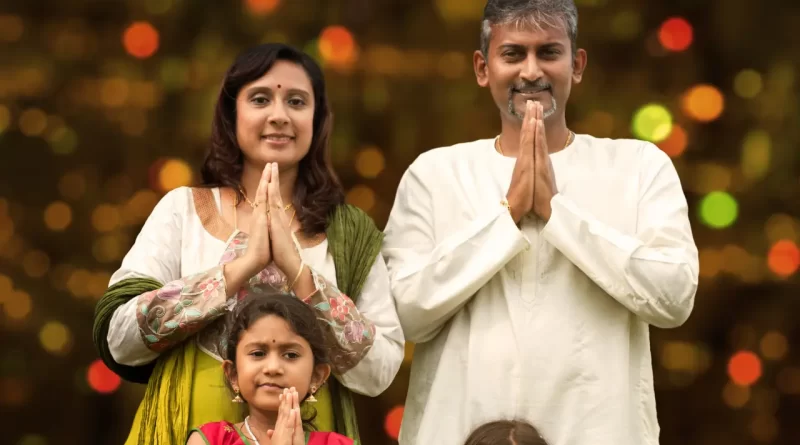
How to Say Hello in Different Indian Languages?
India doesn’t really have one language — it has dozens, and the way people greet each other changes almost every few hundred kilometers. That’s not a trivia fact, it’s basically a map of how varied a trip through India can be. Learn a handful of these greetings before you go, and you’ll notice something: each one is really a signpost pointing toward a completely different region, cuisine, and travel experience. This guide keeps the original list of greetings you came here for, but adds the part that’s usually missing — where you’d actually hear each one, what there is to see there, and which India tour packages can get you there.
Why India’s Greetings Are as Diverse as Its Destinations
A single ‘hello’ in India carries the weight of religion, region, and history behind it — Namaste means something slightly different in a Rajasthani palace than it does in a Kerala backwater village. If you’re the kind of traveler who wants more than a checklist of monuments, understanding where these greetings come from is a decent starting point for deciding which part of India actually matches what you’re looking for.
Nationally Recognized Greetings
Namaste (नमस्ते)
Used across Hindi, Marathi, Kannada, and Sanskrit, Namaste is the greeting most travelers already know — a slight bow with folded hands, conveying respect. You’ll hear it constantly on a Golden Triangle Tour through Delhi, Agra, and Jaipur, where it’s used as both hello and goodbye, often paired with a warm smile from hotel staff, guides, and shopkeepers alike.
Sata Sri Akal (ਸਤਿ ਸ਼੍ਰੀ ਅਕਾਲ)
A Sikh greeting from Punjab meaning ‘Eternal Truth is God.’ Travelers extending a North India itinerary to include Amritsar and the Golden Temple will hear this constantly — it’s warm, communal, and often shouted rather than spoken quietly.
Nomoshkar (নমস্কার)
The Bengali greeting, formal and respectful, common across West Bengal and Kolkata. Less frequently covered on standard India tours, but worth requesting as a custom addition if Bengali culture, colonial history, or the Sundarbans are on your list.
Regional Greetings and Where You’ll Hear Them
Aadab (आदाब)
It is a polite Kashmiri greeting and a reflection of the Persian and South Asian influence on the region. Kashmir is not on the regular tourist trail but is increasingly being requested as an add-on by travelers who want to experience the Himalayan landscape along with a unique culture that is different from the rest of North India.
Parnam (प्रणाम)
A sweet, traditional greeting used across Bihar and the wider Magadhi-speaking belt — historically significant as the region tied to Buddhist heritage sites like Bodh Gaya. Often included in India Pilgrimage Tour itineraries.
Vanakkam (வணக்கம்)
The Tamil greeting, warm and widely used across Tamil Nadu. South India’s temple towns, classical dance traditions, and coastal cities are a completely different pace of travel from the north, and this greeting is your first hint of that shift.
Namaskaram (నమస్కారం)
Telugu’s version of Namaste, used across Andhra Pradesh and Telangana. Often paired with South India itineraries alongside Tamil Nadu and Kerala for travelers wanting a longer southern circuit.
Khamma Gani (खाम माणी)
A respectful Marwari greeting from Rajasthan, literally translating to ‘I bow to you.’ This is the greeting you’ll actually hear most on a Golden Triangle Tour extension into Jodhpur, Udaipur, or Jaisalmer — Rajasthan’s palace cities are usually the most requested extension beyond the standard Delhi-Agra-Jaipur route.
Khurumjari
A gentle Manipuri greeting meaning ‘my obeisance to you.’ Northeast India remains one of the least-visited regions in the country, which is exactly the appeal for travelers looking for something genuinely off the standard circuit.
Kem Chho (કેમ છો)
A Gujarati greeting that doubles as ‘how are you?’ Gujarat doesn’t always make it onto first-time India itineraries, but it’s worth asking about for its distinct food culture, Rann of Kutch landscapes, and colonial-era architecture in Ahmedabad.
Chibai/Ekhai
Used in Mizoram, another Northeast state rarely covered by standard packages but increasingly available as a custom trip extension for travelers with more time and an interest in tribal culture and untouched hill terrain.
Bonus salutations and where they came from
Radhe Radhe (राधे राधे)
A devotional greeting used among the followers of lord Krishna. Commonly used in Vrindavan and Mathura. It’s a natural fit with a Golden Triangle itinerary, a quick religious detour from Agra.
Assalam Alaykum (ٱلسَّلَامُ عَلَيْكُمْ)
A Muslim greeting of Arabic origin, meaning ‘peace be upon you,’ widely used across North India including Delhi’s Old City and parts of Uttar Pradesh — regions already central to most Golden Triangle itineraries.
Tashi Delek
A Tibetan greeting meaning ‘good luck’ or ‘auspicious greetings,’ heard in Ladakh, Sikkim, and parts of Himachal Pradesh. A strong option for travelers wanting to pair India’s plains with high-altitude Himalayan scenery.
Which Tour Matches Which Language & Region?
If any of the above caught your attention more than the others, here’s how that curiosity translates into an actual trip:
| Greeting / Language | Region | Places to Visit | Best Time to Visit | Suggested Tour |
| Namaste (Hindi) | Delhi, Agra, Jaipur | Red Fort, Taj Mahal, Amber Fort | Oct–Mar | Golden Triangle Tour |
| Khamma Gani (Marwari) | Rajasthan | Udaipur, Jodhpur, Jaisalmer | Oct–Mar | Golden Triangle + Rajasthan Extension |
| Sata Sri Akal (Punjabi) | Punjab | Golden Temple, Amritsar | Oct–Mar | North India Custom Add-On |
| Radhe Radhe (Braj Bhasha) | Vrindavan, Mathura | Krishna temples, Yamuna ghats | Oct–Mar | Golden Triangle + Vrindavan Detour |
| Vanakkam (Tamil) | Tamil Nadu | Madurai, Chennai, Mahabalipuram | Nov–Feb | South India Circuit (Custom) |
| Namaskaram (Telugu) | Andhra Pradesh/Telangana | Hyderabad, Tirupati | Nov–Feb | South India Circuit (Custom) |
| Kem Chho (Gujarati) | Gujarat | Rann of Kutch, Ahmedabad | Nov–Feb | Gujarat Custom Itinerary |
| Tashi Delek (Tibetan) | Ladakh/Himachal | Leh, monasteries, mountain passes | May–Sept | Himalayan Custom Itinerary |
| Parnam (Magadhi) | Bihar | Bodh Gaya, Nalanda | Oct–Mar | India Pilgrimage Tour |
| Nomoshkar (Bengali) | West Bengal | Kolkata, Sundarbans | Oct–Feb | Eastern India Custom Add-On |
Best Time to Visit Each Region (Quick Guide)
- North India (Delhi, Agra, Jaipur, Rajasthan, Punjab): October to March, avoiding the summer heat that pushes past 40°C
- South India (Tamil Nadu, Telangana, Kerala): November to February, before humidity climbs in the pre-monsoon months
- Gujarat: November to February, with the Rann Utsav festival season as a strong add-on
- Himalayan Region (Ladakh, Sikkim, Himachal): May to September, when mountain passes are open and accessible
- Eastern India (Bengal, Bihar): October to February, cooler and drier than the monsoon months
Do You Need to Speak These Languages to Travel India?
No — and this is worth saying clearly, because it’s the thing that quietly stops a lot of first-time travelers from booking. English is widely spoken in tourist areas, and every guided India tour with an English-speaking guide removes the language barrier almost entirely. Learning a greeting or two isn’t a requirement, it’s a nice-to-have — locals consistently light up when a visitor even attempts a regional hello, but nobody expects fluency, or even close to it.
How to Plan a Multi-Region India Trip
- Start with the Golden Triangle if it’s your first visit — Delhi, Agra, and Jaipur are the most accessible introduction to North India
- Add a Rajasthan extension (Udaipur, Jodhpur, Jaisalmer) if you have more than 7 days and want palace towns and desert landscapes
- Combine North and South India only on longer trips — 14+ days — since the internal flights and climate differences make a rushed combination exhausting rather than enjoyable
- Treat the Northeast, Kashmir, and Ladakh as separate, dedicated trips rather than add-ons — they have their own logistics and are worth the focused time
Book your 3-days Golden Triangle tour and experience the best of Delhi, Agra & Jaipur!
Common Mistakes First-Time India Travelers Make
- Trying to cover too many regions in too few days — North and South India in particular deserve separate trips
- Booking during peak summer heat (April–June) in North India without realizing how intense it gets
- Assuming English won’t be understood — it’s widely spoken in every tourist circuit and virtually all guided tours
- Skipping a local guide to save money, then missing the cultural context that makes places like Agra or Jaipur actually memorable
- Not booking Rajasthan extensions early enough during peak season (Nov–Feb), when palace hotels fill up fast
FAQs About Indian Languages, Culture & Travel
No. English is widely understood in all major tourist destinations, and guided tours include English-speaking guides, so language is rarely a real barrier.
Namaste works almost everywhere in North India and is understood nationally, making it the single most versatile greeting to learn.
The easiest place to begin is the Golden Triangle Tours India – Delhi, Agra and Jaipur – with its well-developed iconic sites like the Taj Mahal.
Yes, a lot – languages, food, architecture, pace of travel are all different. Tamil Nadu, Telangana and Kerala, in contrast, offer a very different experience from Delhi or Rajasthan.
October through March, when temperatures are mild enough for sightseeing and desert excursions without the extreme summer heat.
It’s possible but works best on trips of two weeks or longer, since internal flights and climate differences make a rushed combination tiring rather than enjoyable.
These regions require more planning than the standard circuits and are best treated as their own dedicated trip rather than an add-on to a North India itinerary.
No, but even a simple greeting is normally well received and can lead to warmer interactions with the locals
Most tours include Delhi, Agra and Jaipur with stops at major sights such as the Red Fort, Taj Mahal and Amber Fort, with English speaking guides and private transportation.
If it’s your first time in a place, a guided tour takes a lot of the logistical and language stress out of the equation, so you can focus on the experience, not the navigation and negotiation.
Ready to Experience These Greetings in Person?
Reading about Namaste is one thing — hearing it from a shopkeeper in Jaipur’s Old City, or Vanakkam from a temple priest in Tamil Nadu, is a different experience entirely. Whichever greeting caught your interest most in this list is usually a decent clue about which part of India you should visit first. Start with a Luxury Golden Triangle Tour if this is your first trip, and build outward from there — Rajasthan, the south, or the Himalayas can always come next.