
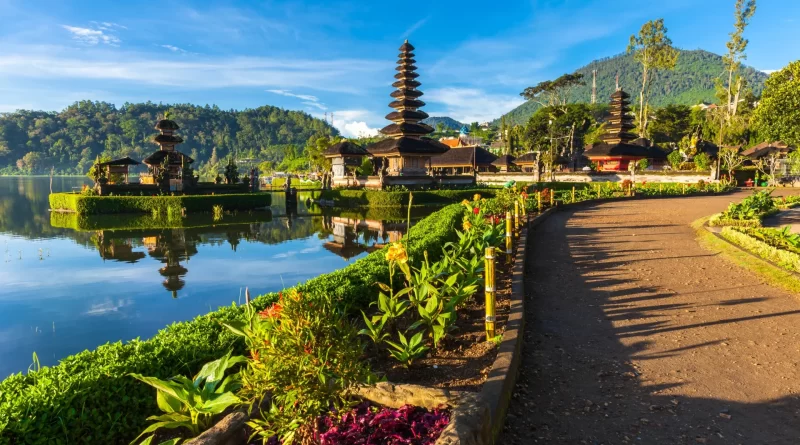
Best Places to Visit in Indonesia in Winter (December to February)
It’s the third week of December. Back home, you’re scraping frost off the windshield and the sun is gone before dinner. In Bali, the sea is sitting at roughly 85°F, breakfast comes with a view of rice terraces, and your toughest decision is whether to book the cooking class before or after the monkey forest.
That’s the pull behind the best places to visit in Indonesia in winter, and it’s a strong one. But let’s be upfront: December to February is the wet season across most of the country, and a trip planned without that in mind can go sideways fast. Planned well, it’s one of the smartest times to go, with lush scenery, lower prices once the New Year rush is over, and beaches that feel calmer than they do in July.
This guide covers where to go, what the weather really does, how the islands compare, and which ready-made Bali itineraries suit a winter trip. If you’d rather skip the research, our planners can shape a route around your dates.
Is Indonesia Worth Visiting in December to February?
Short answer: yes, if you choose your islands carefully and keep your schedule flexible. When travelers ask is Indonesia good to visit in winter, they usually mean one thing: will the rain wreck my vacation? Long-term climate averages for Bali paint a clearer picture.
- Temperature: highs around 87°F (31°C) and lows near 77°F (25°C), with sea temperatures close to 85°F.
- Rain: January is typically the wettest month, with roughly 350 mm (about 14 inches) over around 19 rainy days. February follows at about 280 mm.
- How it rains: most days start clear, and heavy showers tend to arrive in the afternoon or evening. January and February can bring longer wet spells.
- Crowds: the busiest stretch runs from about December 23 to January 6. After that, the island settles down and prices ease.
- Sea conditions: rougher water can delay or cancel fast boats to the Gili and Nusa islands.
That last point is the one first-timers tend to miss. This is the rainy season in Indonesia, so build a spare day around any boat transfer, and never book a same-day flight home after an island crossing.
How does it compare with other warm winter destinations in Asia? If guaranteed dry beach weather is your only goal, the Andaman coast of Thailand is usually drier at this time of year. Indonesia wins when you want culture, value and a trip with more to it than sand. And there’s one big exception inside the country: Raja Ampat, which often runs drier than the rest of Indonesia from late in the year into spring.
Winter in Indonesia at a Glance: Destination Comparison
| Destination | Best for | Winter conditions | Crowds | Ideal stay |
| Ubud, Bali | Culture, rice terraces, wellness | Warm and humid with short heavy showers; the highlands run wetter | Moderate, busy over the holidays | 3–4 nights |
| Uluwatu, Jimbaran and Seminyak | Sunsets, seafood, beach clubs | Warm with hazy sun between showers; sea can be rough | High at Christmas and New Year, lighter after | 3–4 nights |
| Canggu | Surf lessons, cafés, nightlife | Frequent showers; swell varies by day | Moderate to high | 2–3 nights |
| Nusa Penida and the Gili Islands | Cliffs, snorkeling, turtles | Boat schedules can shift with the sea | Low to moderate | 2–3 nights |
| Yogyakarta | Temples, history, food | Wet and green; mornings are best | Low to moderate | 2 nights |
| Raja Ampat | Diving, remote marine life | Often drier than the rest of Indonesia | Low | 4–6 nights |
| Komodo (Labuan Bajo) | Dragons, boat trips, hikes | Showers; sea conditions decide boat plans | Low to moderate | 2–3 nights |
Eight Places Worth Your Winter Days
1. Ubud, Bali: Green, Quiet and Made for Rainy Mornings
Ubud looks its best when it’s wet. The paddies turn a green that seems edited, and the waterfalls actually run. Visit the Tegallalang Rice Terraces early, before the tour buses and the afternoon clouds, then add Tegenungan Waterfall and the Monkey Forest, a nature reserve and temple complex home to more than 300 long-tailed macaques.
If you’re hunting for things to do in Bali in December, Ubud handles the weather gracefully: a market-to-table cooking class, a coffee plantation tasting, a long spa afternoon, and Goa Gajah, the Elephant Cave carved into rock. Keep sightseeing for the morning and let the afternoons drift.
2. Uluwatu, Jimbaran and Seminyak: Beach Days Between Showers
The southern Bukit Peninsula is where winter beach days still work. Catch the Uluwatu Temple Kecak fire dance at sunset, staged in an amphitheater beside the clifftop temple, then head to Jimbaran for a Jimbaran seafood dinner with the surf a few steps away. Seminyak backs it up with beach clubs, spas and shopping for the days the sky turns gray.
A word on timing: the Bali Christmas and New Year holiday window is the busiest of the year, so book flights and villas early if you want the party atmosphere. Swim only where lifeguards are posted, because the sea can run rough.
3. Canggu: Surf Lessons and Easy Evenings
Canggu has been a surfer’s town for decades, and its waves suit beginners as well as seasoned riders. Book Canggu surfing lessons for an early session with an instructor, then recover with a one-hour Thai massage and sunset drinks at a beachside bar. When the weather turns, the cafés and yoga studios keep the day moving.
4. Nusa Penida and Nusa Lembongan: Dramatic Cliffs, Careful Planning
A Nusa Penida day trip is one of the most photographed outings from Sanur, with towering sea cliffs and blue coves. In the wet season the roads to the viewpoints get slippery and boat crossings depend on the swell. Go in the morning, ask your driver about conditions, and keep a flexible day in your schedule in case the sea says no.
5. Gili Islands: Snorkeling and Zero Traffic
The three Gili islands have no motorized vehicles, so you get around by bike, on foot or by horse cart. Gili Islands snorkeling is the main draw, with sea turtles, coral and the famous underwater statues. Visibility can dip after heavy rain, so head out in the morning. Gili Trawangan is the lively one, Gili Meno the quietest, and Gili Air sits comfortably in between.
6. Yogyakarta: Temples With a Wet-Season Glow
Add Java if you like history with your holiday. The wet season greens the hills around Borobudur and Prambanan, and the grounds can feel calmer than in peak months. Treat a Borobudur sunrise as a bonus rather than a promise, since mist and cloud sometimes hide the view. Go early either way, because midday heat plus humidity is a tiring combination.
7. Raja Ampat: The Winter Exception for Divers
In West Papua, Raja Ampat often runs against the national weather pattern. Many dive operators treat October to April as the main Raja Ampat diving season, with some of the highest marine biodiversity recorded anywhere. The catch: it’s remote, needs domestic flights and boat transfers, and costs more than a typical Bali trip. It suits divers and wildlife lovers who plan well ahead.
8. Komodo National Park: Dragons on a Flexible Schedule
A Komodo National Park tour from Labuan Bajo pairs the famous dragons with pink-sand beaches, hilltop hikes and snorkeling. The dragons are there all year, but choppy seas can change boat plans in winter. Choose an experienced operator and add an extra night in Labuan Bajo so one rough day doesn’t break the trip.
Which Place Fits Your Kind of Trip?
- Couples: Ubud for romance and Jimbaran for seafood dinners make a classic Indonesia honeymoon in winter.
- Families: Sanur and Nusa Dua offer calmer beaches and easier logistics than the busier west coast.
- Friends and solo travelers: Canggu plus Gili Trawangan covers surf, nightlife and snorkeling in one route.
- Divers and nature lovers: Raja Ampat or Komodo, planned with extra buffer days.
- Budget-minded travelers: looking for cheap places to visit in Indonesia in winter? Bali after January 6 is the easiest place to find low-season rates.
Ready-Made Bali Itineraries for a Winter Trip
Want a mix of surf, rice terraces and snorkeling? The Bali Experience 9 days tour package runs Canggu, Ubud and Gili Trawangan. Confirm boat timings with a planner before booking flights.
Planning a couple’s escape? The 5 days Bali honeymoon tour package covers Ubud, Kintamani and Bedugul, then ends with a Kecak show and seafood dinner in Jimbaran.
Prefer a slower week? The Best of Bali 8 days tour moves through Kuta, Ubud, Sanur and Seminyak, with a cooking class, a Nusa Penida day trip and a massage session.
A Simple 7-Day Winter Route That Works
If you only have a week, resist the urge to cover everything. A winter holiday in Indonesia feels better when you stay in fewer places and leave room for weather. Here’s a pace that holds up:
- Days 1 to 3: Ubud. Rice terraces and the cooking class in the morning, spa and cafés when it rains.
- Days 4 to 5: Jimbaran and Uluwatu. Beach time, a Kecak show and a seafood dinner.
- Day 6: a Nusa Penida outing, or a slow day in Sanur if the sea looks rough.
- Day 7: a spare buffer before your flight, with a spa session and last-minute shopping.
Rainy afternoons are easy to fill. Good Bali rainy day activities include Balinese massage, a coffee tasting, a pottery or silver-making workshop in the craft villages, and long lunches with a rice field view.
Common Winter Planning Mistakes to Avoid
- Packing the schedule: three islands in seven days leaves no room for a delayed boat.
- Booking outdoor sights for the afternoon, when showers are most likely.
- Skipping travel insurance. Weather disruptions are the exact reason to carry it.
- Waiting too long over the holidays: villas and good drivers go first between December 23 and January 6.
A few Indonesia travel tips make the difference here. Download offline maps, keep a copy of your booking confirmations, carry some cash for small warungs and village entrances, and agree on pickup times with your driver the night before.
Practical Tips Before You Book
Wondering what to pack for Indonesia in winter? Think light, quick-drying and rain-ready:
- Breathable clothes that dry fast, plus one light layer for air-conditioned rooms and vehicles.
- A compact rain jacket and a waterproof phone pouch for boat rides.
- Sturdy sandals with grip for wet steps, and a sarong or cover-up for temple visits.
- Mosquito repellent and sun protection, since the rain doesn’t cancel either.
On budget, the Indonesia trip cost swings more with your dates than with your destination. Christmas through early January carries the highest rates, while late January and February are easier on the wallet. Ask for a clear list of what’s included, because airfare, entrance fees and travel insurance are often separate.
Plan Your Winter Trip With Turban Adventures
Reading about Indonesia is the easy part. Matching dates, islands and boat timings is where trips get messy. Share your travel dates, group size and must-do list with our planners, and they’ll suggest a realistic route. We handle Bali tour packages from India, and whether you’re flying from Delhi or booking an Indonesia tour package from USA, the planning starts the same way.
A good planner earns their keep in winter. They know which islands have workable sea conditions that week, which transfers need extra time, and which hotels have indoor options when the rain settles in. That local routing knowledge is hard to get from a booking site, and it’s the reason many travelers prefer a guided package over piecing everything together alone.
Browse our full range of Indonesia tour packages, open any itinerary, hit Inquire Now, and tell us when you’re traveling. A conversation now can save you a lot of guesswork later.
Winter in Indonesia rewards flexible travelers. Pick your islands, pad your schedule, and you’ll trade the cold for green rice terraces and warm sea.
Frequently Asked Questions
Early December and the second half of February tend to be easier than January, which is usually the wettest month. For lower prices and thinner crowds, Bali in February is a solid pick. Avoid December 23 to January 6 unless you want holiday buzz.
Rarely. Most days begin clear, with heavy showers arriving in the afternoon or evening. January and February can bring longer wet spells, so save outdoor sights for the morning.
The Bali temperature in winter barely shifts: highs near 87°F (31°C), lows around 77°F (25°C) and plenty of humidity. The sea stays close to 85°F, so swimming feels good even on cloudy days.
Yes. The busiest window runs from about December 23 to January 6, so flights, villas and popular restaurants fill early. After January 6 the island eases off noticeably.
South Bali’s Bukit Peninsula, Sanur and Nusa Dua beaches are the usual choices. Sanur’s gentler pace suits families, while Uluwatu and Jimbaran shine at sunset. Always check sea conditions with your hotel before swimming.
Yes, with a flexible plan. Bali island hopping to the Gilis or Nusa islands can face delays when seas are rough, so cross in the morning, add a buffer day and avoid scheduling your flight home on the same day as a boat.
Seven to nine days works well for Bali plus one extra island. A 7 days Indonesia itinerary can cover Ubud, the south coast and a Nusa day trip. Add two or three days if you want the Gilis or Komodo.
Many nationalities, including Indian and US passport holders, can use an Indonesia visa on arrival or e-VOA, typically IDR 500,000 for 30 days. Bali also charges a Bali tourist levy of IDR 150,000 per person through the official Love Bali portal. Rules change, so confirm with Indonesian immigration before you fly.
Yes. A customized Indonesia tour package lets you add or remove activities, extend your stay or upgrade hotels. That makes it easy to swap a rain-prone outing for a spa day or add a night as a boat buffer.
It can be, if you’re realistic. Bali in January means humid days and frequent showers, but also lush scenery, smaller crowds after the holidays and softer prices. Lean on cooking classes, spas and morning sightseeing, and you’ll still have a great trip.