
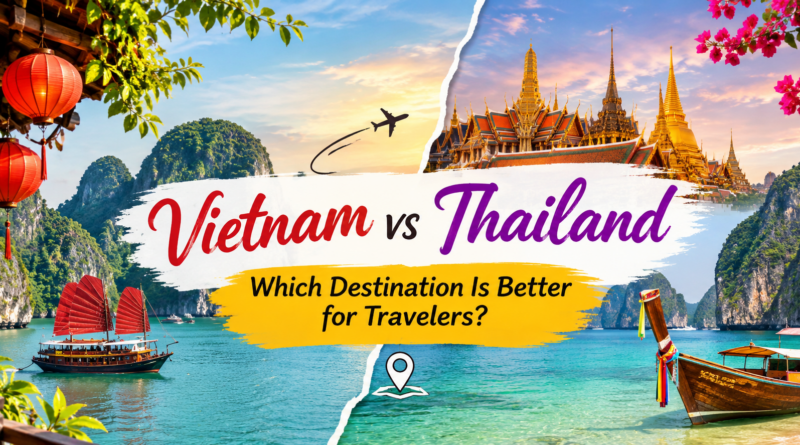
Vietnam vs Thailand: Which Destination Is Better for Travelers?
Two countries, two very different trips, and one flight booking you can’t undo cheaply. If you’ve narrowed your Southeast Asia travel plans down to this pair, you’ve probably noticed that every guide says “both are amazing.” True, and completely useless when you’re the one holding the credit card.
So here’s a more useful take. The real Vietnam vs Thailand question isn’t which country is better. It’s which one matches the trip you actually want: the money you’re willing to spend, the kind of days you picture, and the month you can leave. Our trip designers plan both countries every season, and the same pattern shows up again and again. Thailand is smoother, more polished and easier for a first big trip abroad. Vietnam is cheaper, rawer and tends to surprise people more.
Read on and you’ll know where you fit by the end. If you’d rather skip straight to a plan built around your dates and budget, you can ask our team for a free quote at any point.
The Short Answer
- Choose Vietnam if you want lower costs, living history, dramatic landscapes and a trip that feels less packaged.
- Choose Thailand if beaches are the heart of your holiday, you want effortless logistics, or you’re traveling with young kids or a group with mixed energy levels.
- Choose both if you have 12 days or more. The two countries sit a two-hour flight apart and complement each other well.
If you’d like to cover the country from north to south, our Best of Vietnam tour takes you through Hanoi, Halong Bay, Hoi An, Hue and Ho Chi Minh City in 12 days.
Vietnam vs Thailand at a Glance
Here’s the side-by-side view before we get into the details. The budget figures are typical ranges for a mid-range traveler and move with season and exchange rates, so treat them as a planning baseline, not a quote.
| Category | Vietnam | Thailand |
| Mid-range daily budget (per person) | Roughly $80 to $130 | Roughly $100 to $170 |
| Best for | Culture, history, scenery, value for money | Beaches, easy logistics, resort comfort |
| Beaches and islands | Good, quieter, less developed | World-class, wide choice, busier |
| Food style | Fresh herbs, broths, balanced and light | Bold, spicy, sweet and sour layers |
| Top cities | Hanoi, Ho Chi Minh City, Hoi An, Hue | Bangkok, Chiang Mai, Ayutthaya |
| Adventure | Limestone bays, mountain loops, caves | Diving, climbing, jungle and elephant sanctuaries |
| Ease for beginners | Moderate, needs more planning | High, very tourist-ready |
| Crowds | Lower outside Halong Bay and Hoi An | Heavy in Phuket, Bangkok, peak months |
| Best weather window | Varies by region, spring and autumn work well | November to February for most areas |
| Ideal trip length | 10 to 14 days north to south | 7 to 10 days, longer if combining islands |
Cost: Where Your Money Goes Further
So, is Vietnam cheaper than Thailand? For most travelers, yes, and the gap is noticeable. A comfortable day in Vietnam covering a good hotel, three meals, local transport and one activity usually lands around $80 to $130 per person. The same day in Thailand tends to run $100 to $170, and it climbs quickly on islands like Phuket in peak season.
Where the difference shows up:
- Hotels: Boutique stays in Hanoi and Hoi An generally cost less than comparable rooms in Bangkok or on the Thai islands.
- Meals: A bowl of pho or a banh mi plate costs a few dollars. Thai street food is just as cheap, but resort-area restaurants add a heavy premium.
- Drinks: Fresh draft beer in Vietnam can cost less than a dollar. Thailand is pricier for alcohol, especially in tourist zones and beach clubs.
- Activities: Thai island tours and national park fees add up faster than Vietnamese day trips.
If budget travel is the priority, Vietnam stretches a two-week trip further and leaves room for upgrades like a better cruise cabin or a private driver. Thailand asks for a higher daily travel budget, but you get polished infrastructure and a deeper menu of resort options in return.
Beaches and Islands: Thailand Takes This Round
For classic beach holidays, Thailand is hard to beat. The Andaman coast gives you limestone cliffs, clear water and a long list of islands for island hopping, from Phi Phi to Railay near Krabi. Phuket is the busiest hub, with everything from five-star resorts to late-night bars. Koh Samui on the Gulf side feels easier and slower, though its rainy months fall at a different time of year, which matters when you’re choosing dates.
Vietnam’s coastline is longer than most people expect, but it’s less developed for resort tourism. Phu Quoc is the strongest island option, with sunset beaches and a growing restaurant scene. Nha Trang is better known for boat trips and scuba diving than for lounging.
- Want the beach to be the whole point of the trip? Pick Thailand.
- Want a few beach days tucked into a bigger cultural route? Vietnam works well.
Food: Two Different Flavor Maps
Both countries are serious about eating, and the street food scene alone can justify the airfare. The difference is in the style. Thai cooking is loud and layered, playing sweet, sour, salty and spicy against each other in a single dish. Vietnamese cooking is lighter and more herb-driven, built around broths, fresh greens and careful balance.
A few dishes worth planning your day around:
- Vietnam: pho in Hanoi, bun cha at a plastic-stool lunch spot, cao lau in Hoi An, and a cup of egg coffee to finish.
- Thailand: pad kra pao with a fried egg, khao soi in Chiang Mai, som tam from a cart, and mango sticky rice for dessert.
One practical tip from experience: both cuisines lean on fish sauce, so vegetarians and travelers with allergies should say so clearly and carry a translated note. Menus labeled “vegetarian” aren’t always meat-free by Western standards.
Culture, History and Cities
This is where Vietnam often pulls ahead for people who like context behind what they see. The country’s recent history is hard to miss, and the guides who tell it well make a real difference. Hanoi rewards slow wandering through the Old Quarter, the Temple of Literature and Hoa Lo Prison. Ho Chi Minh City pairs French colonial buildings with the War Remnants Museum and the Cu Chi Tunnels. In between, the lantern-lit Hoi An ancient town and the imperial citadel in Hue are some of the most photogenic stops in the region.
Thailand’s strength is its living religious culture. Temples aren’t just monuments there, they’re part of daily routines. Bangkok delivers the Grand Palace, Wat Pho and sprawling markets. Chiang Mai adds a walkable old city, hill temples and craft villages, and Ayutthaya brings ruins within easy reach of the capital. For authentic cultural experiences, like joining a cooking class or an alms-giving morning, both countries deliver, but Thailand’s are slicker and easier to book.
Short on time? The Classic Vietnam Tour packs Hanoi, Halong Bay, Hue, Da Nang and Ho Chi Minh City into 8 days with Turban Adventures.
Nature and Adventure
- Vietnam: a Halong Bay cruise among thousands of limestone islands, boat rides through the caves of Ninh Binh, rice terrace Sapa trekking, and the Ha Giang Loop for confident riders (hire a driver if you’re not experienced on a motorbike).
- Thailand: ethical elephant sanctuaries near Chiang Mai where you observe rather than ride, rock climbing at Railay, jungle lakes in Khao Sok, and some of the cheapest dive certification courses in the world.
Vietnam feels wilder and less predictable. Thailand feels organized and ready for you, which some travelers love and others find a bit staged.
Weather and the Best Time to Visit
Thailand is the simpler of the two. For most of the country, the best time to visit is November through February, when it’s drier and less sticky. The rainy season runs roughly May to October, though showers are often short and the islands stay open. Vietnam stretches over 1,000 miles north to south, so it behaves like three climates at once.
- North (Hanoi, Sapa, Halong Bay): best from October to April, with cool, even chilly weather in winter.
- Central (Da Nang, Hoi An, Hue): best from February to August. Late-year storms and flooding are a real risk.
- South (Ho Chi Minh City, Mekong Delta, Phu Quoc): best from December to April.
If your dates are fixed, this section may decide the whole question for you. Traveling in November, for example, usually favors Thailand’s Andaman coast and Vietnam’s north, but not central Vietnam.
Visas, Entry Rules and Getting Around
Rules change often, so always confirm on official government sites before you book. As of this writing, most Western passports need an e-visa for Vietnam, which can be applied for online and is valid for up to 90 days. Thailand has offered a visa exemption to many nationalities for short stays, and also asks most arrivals to complete an online arrival form before landing. Citizens of some countries get different treatment in each, so check your own passport.
On the ground, both are easy once you know the basics:
- Domestic flights are cheap and frequent in both countries. Hanoi to Ho Chi Minh City takes about two hours, versus roughly 30 hours by road and rail.
- Ride-hailing apps like Grab remove most taxi haggling in the big cities. Use them in Hanoi and Bangkok.
- Scams exist in both: meter tricks in Vietnam, tuk-tuk detours and jet-ski damage claims in Thailand. Booking vetted transfers avoids nearly all of it.
- Get travel insurance that covers motorbike use, dive activity and medical evacuation. It’s the one item people skip and regret.
Which Is Better for Your Type of Trip?
- Couples and honeymoon destinations: Thailand for private-pool villas and island sunsets, Vietnam for a mix of romance, culture and value. Hoi An and Phu Quoc are the standouts.
- Family-friendly travel: Thailand wins with kids under 10 thanks to easy transfers, resort kids’ clubs and shorter travel days.
- Solo travelers: both are safe and social. Thailand’s hostel scene is bigger, while Vietnam’s smaller guesthouse and homestay culture makes it easy to meet locals.
- First-time visitors to Asia: Thailand is the gentler landing. Vietnam rewards you if you’re comfortable with a bit of chaos.
- History and food lovers: Vietnam, by a nose.
- Divers and beach people: Thailand, comfortably.
Why Not Both? A Sample Combined Trip
Flights between Bangkok and Hanoi take around two hours and are often inexpensive, which makes a Vietnam and Thailand combined itinerary realistic in two weeks. One version that works well:
- Days 1 to 3: Bangkok for temples, markets and food tours.
- Days 4 to 6: Phuket or Krabi for beach time and islands.
- Day 7: fly to Hanoi.
- Days 8 to 10: Hanoi, then an overnight in Halong Bay.
- Days 11 to 13: Hoi An and Da Nang.
- Day 14: Ho Chi Minh City and departure.
It’s a lot, and we’d usually suggest trimming a stop to avoid constant packing. That’s exactly the kind of call a planner helps you make before you pay for non-refundable flights.
How Turban Adventures Helps You Decide and Book
Reading comparisons is useful. Having someone who knows both countries shape the plan around you is better. At Turban Adventures, we build trips with local partners on the ground, so the hotels, guides and transfers are vetted rather than guessed from reviews.
- Free customization: change hotels, pace, cities or trip length until it fits.
- A reply within 24 hours from a real trip specialist, not an automated email.
- Honest advice on timing, including when we’d tell you to go to the other country.
- Ready-made tour packages for Vietnam that you can use as a starting point, or a fully customized itinerary if you want something different.
Browse our Vietnam options here: Vietnam tour packages from Turban Adventures, then message us with your travel month and group size for a tailored quote.
Frequently Asked Questions
Thailand is usually the easier first choice because tourist services, English signage and transport links are well developed. Vietnam is just as rewarding, but it takes a bit more planning, especially for transfers between regions. A guided or semi-guided plan removes most of that friction.
Plan 7 to 10 days for Thailand alone and 10 to 14 days for Vietnam from north to south. To see both without rushing, allow at least 14 days. Anything shorter works better if you pick one country and go deeper.
In most categories, yes. Hotels, meals, drinks and local tours tend to cost less in Vietnam, particularly outside the main resort areas. Flights and cruises can narrow the gap, so compare the whole itinerary instead of single line items.
Thailand has the stronger reputation, with more varied islands and more resort choice. Vietnam’s best beach options, such as Phu Quoc and the Da Nang coast, are lovely but fewer and less developed.
Thailand suits couples who want a beach-first trip with private villas. Vietnam suits couples who want a balance of culture, food and a few beach days at a lower cost. Many couples combine Hoi An with a Phu Quoc stay.
Both are generally safe for tourists, and violent crime against visitors is uncommon. The usual risks are petty theft, overcharging and road accidents, especially on rented motorbikes. Check your government’s travel advisory before departure and follow local guidance.
Vietnam uses the Vietnamese dong and Thailand uses the Thai baht. ATMs are common in cities, but carry small notes for markets and rural stops. Tipping isn’t mandatory in either country, though rounding up or leaving a small amount for good service is appreciated.
Roaming charges can be steep, so most travelers buy a local SIM card or eSIM at the airport. Both are inexpensive and coverage is strong in cities and tourist areas.
It’s a close call. Thailand offers bolder, spicier flavors and a huge range of regional dishes. Vietnam offers lighter, fresher cooking with standout noodle soups and coffee culture. Spend at least a few days in each if food is your priority.
Yes. We structure packages so dates, hotels and activities can be adjusted before final confirmation, and we explain cancellation terms in writing before you pay. Ask your trip specialist about flexible rates for peak travel months.
Ready to Choose Your Destination?
If you’re still torn after all this, that’s normal. The right pick often comes down to one detail: your travel month, a must-see, or who is coming with you. Send us those three things and we’ll tell you honestly which country fits, then price it out with no pressure to commit.
Get a free, no-obligation plan from Turban Adventures. Share your travel month, group size and budget at turbanadventures.com and our specialists will reply within 24 hours.