
Offbeat Destinations in Italy for Adventure Lovers 2026
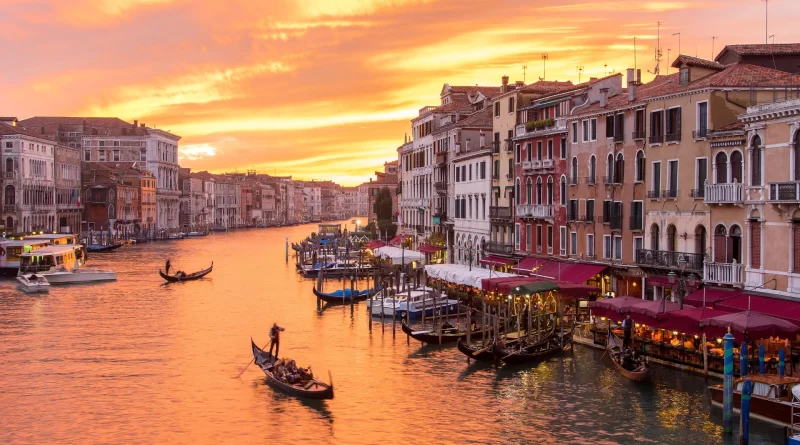
Everyone’s seen the same five photos of Italy — the Colosseum at golden hour, a gondola in Venice, the Amalfi coastline from a cliffside restaurant. None of that is wrong, exactly. It’s just not the whole country. Once you get past the postcard stops, Italy turns into a legitimately serious adventure travel destination — canyons, volcanoes you can hike into, alpine trails with almost nobody on them. This guide covers the offbeat destinations in Italy worth building a 2026 trip around if you’ve already done the highlight reel, or just never wanted to do it in the first place.
Why Skip the Tourist Trail in 2026?
Overtourism isn’t a theoretical problem in Italy anymore — it’s a daily reality in Venice, the Amalfi Coast, and central Rome, where local governments have started capping visitor numbers and charging entry fees just to manage the crowds. None of that is going away in 2026. The upside is that it’s pushed more travelers to actually look for something different, and Italy has more than enough terrain to deliver it. Alpine passes, volcanic islands, and canyon systems that most people never learn exist because they never get past the top ten list.
Valle d’Aosta — Italy’s Alpine Adventure Playground
Valle d’Aosta
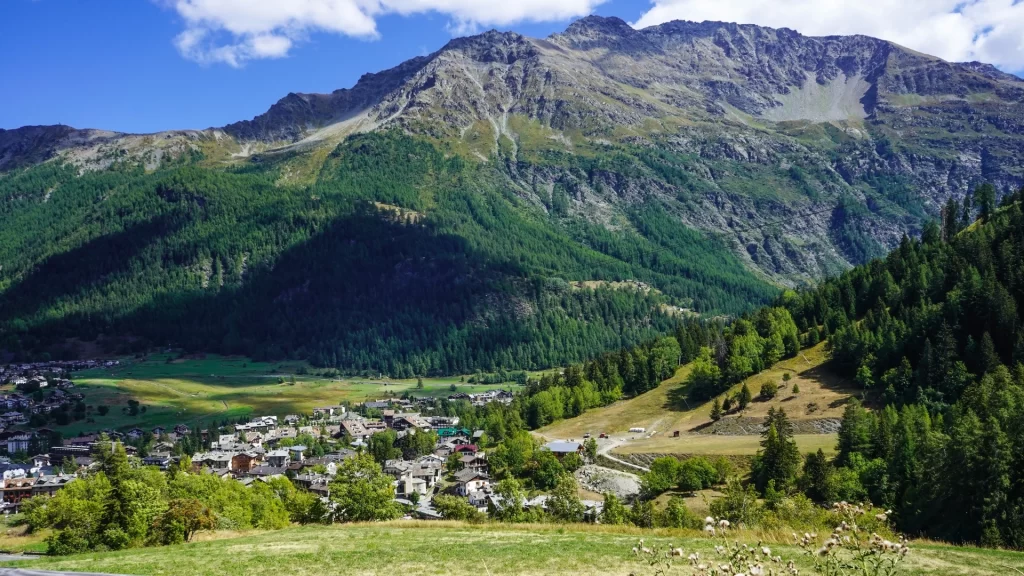
Tucked into the northwest corner against the French and Swiss borders, Valle d’Aosta is where serious hikers go instead of the more Instagrammed parts of the Alps. Gran Paradiso National Park anchors the region — Italy’s oldest national park, with trails that wind past glaciers and a real chance of spotting ibex along the ridgelines. Via ferrata routes here range from beginner-friendly to genuinely demanding, and unlike the Dolomites’ busier sections, you can hike for hours without running into another group.
If you’re building a trip around this region, look for a guided via ferrata package that includes gear rental — the routes here are well-maintained but not something to improvise without proper equipment and a guide who knows current conditions.
Sardinia’s Wild Interior — Beyond the Beaches
Sardinia’s Wild Interior
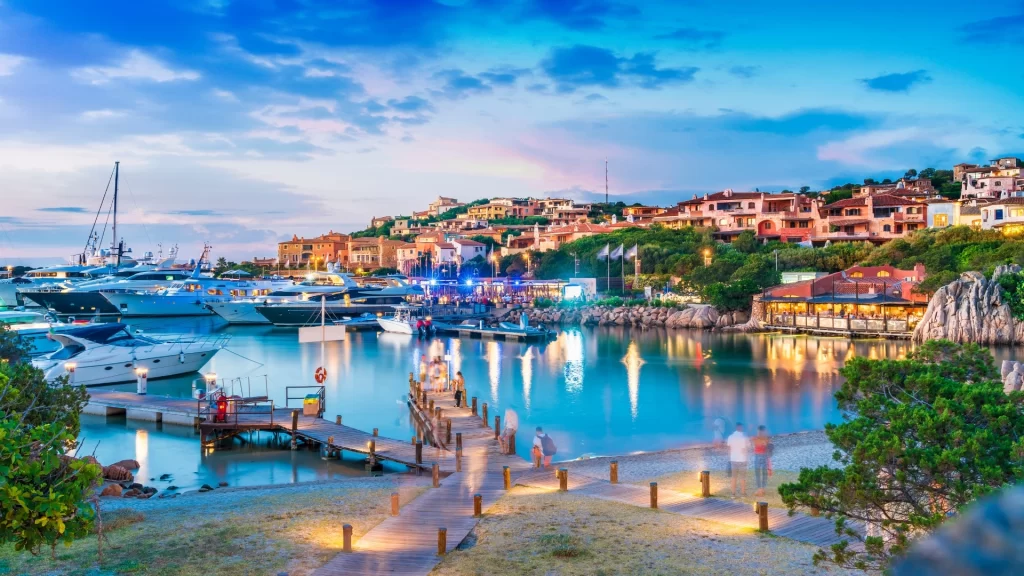
Most people book Sardinia for the beaches and never leave the coast, which is honestly a missed opportunity. The island’s interior, particularly the Supramonte region, is a limestone wilderness of canyons, caves, and one seriously impressive gorge — Gola su Gorropu, sometimes called the deepest canyon in Europe. Trekking through it means scrambling over boulders with sheer rock walls rising hundreds of meters on either side, a completely different Sardinia than the one on travel brochures.
A guided canyon trek here is worth the cost purely for safety — trail markers are minimal, and a local guide will know which sections are passable depending on recent rainfall.
Read also: Best Month to Visit Italy: Weather, Crowds, and Prices Compared
The Dolomites’ Quiet Side — Val di Funes & Alpe di Siusi
The Dolomites
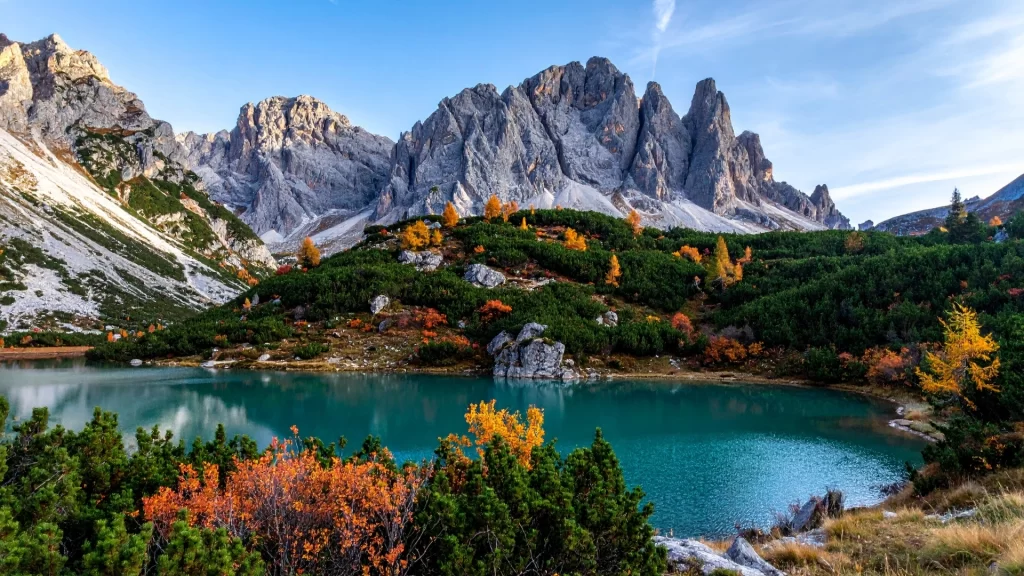
The Dolomites have become one of Europe’s most photographed mountain ranges, but the crowds concentrate around a handful of famous viewpoints. Val di Funes, with its church-and-mountain backdrop that shows up on every Dolomites Pinterest board, still gets busy at sunrise for photographers, but the hiking trails branching off from the valley floor thin out fast. Alpe di Siusi, Europe’s largest high-altitude alpine meadow, offers a similar story — a famous name, but plenty of quiet trail sections once you move past the main cable car access points.
Booking a sunrise photography hike or a guided via ferrata route in this area gets you the views without fighting a crowd for the same shot everyone else is taking.
Basilicata — Italy’s Least-Visited Region
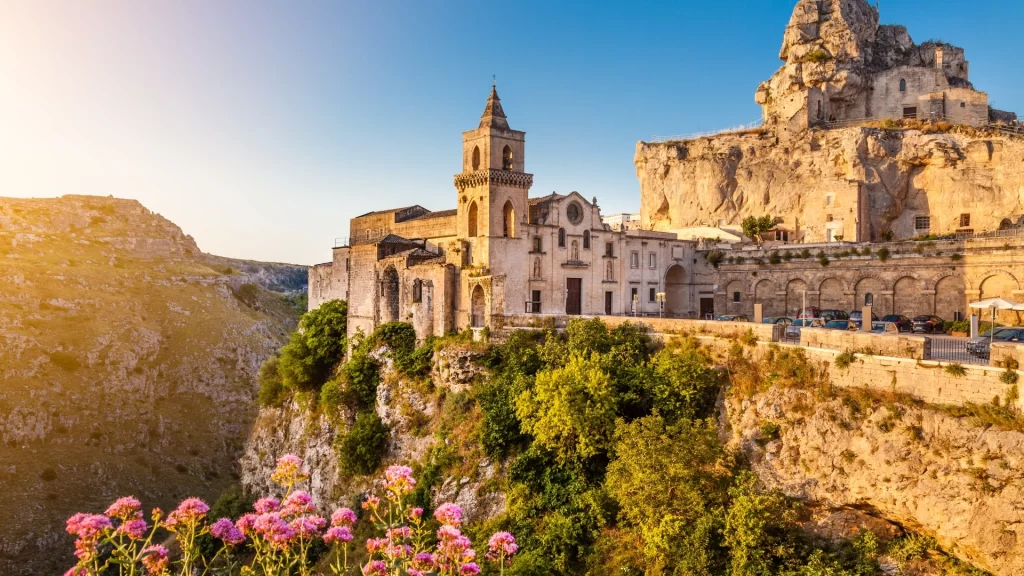
Basilicata
Basilicata rarely makes it onto a first-time visitor’s list, and that’s precisely the appeal. Matera, with its cave dwellings carved into limestone cliffs, is the region’s headline attraction and has picked up more international attention in recent years, but the surrounding countryside remains genuinely under-visited. Pollino National Park, straddling the border with Calabria, is one of Italy’s largest protected wilderness areas, offering whitewater rafting on the Lao River and hiking trails through some of the oldest forests in the country.
This is a strong pick for travelers who want adventure activity combined with a genuinely different cultural backdrop than the rest of Italy offers.
Elba Island — Adventure Beyond Napoleon’s Exile
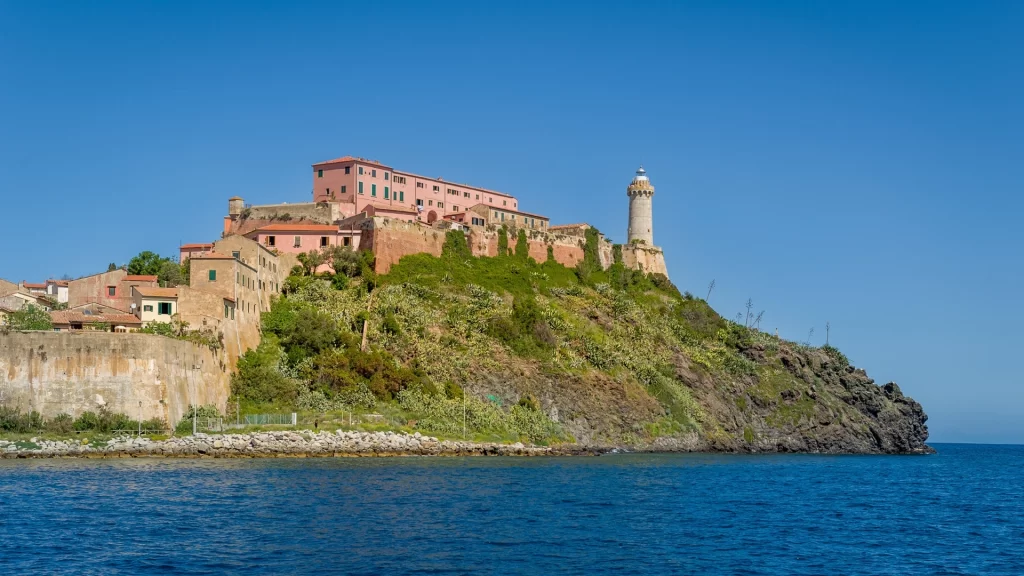
Elba Island
Most people know Elba, if at all, as the island Napoleon was exiled to. Adventure travelers know it as an underrated mountain biking and diving destination. Monte Capanne, the island’s highest peak, has hiking trails with sweeping views across the Tuscan Archipelago, and the coastline offers some genuinely good diving and snorkeling spots that don’t come with Amalfi Coast prices or crowds.
A multi-day mountain biking package covering the island’s interior trails, paired with a coastal diving day, makes for one of the more well-rounded offbeat itineraries on this list.
The Aeolian Islands — Volcano Trekking You Didn’t Know Existed
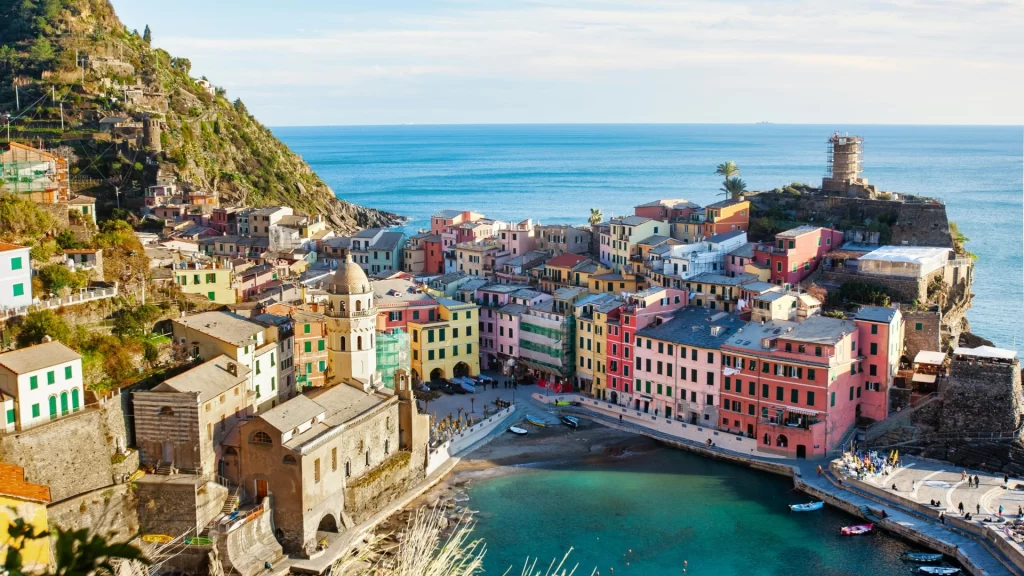
The Aeolian Islands
North of Sicily, the Aeolian Islands include two of the most accessible active volcanoes in Europe. Stromboli has been erupting more or less continuously for centuries, and a guided evening hike up its slopes to watch small eruptions light up the night sky is one of the more genuinely thrilling things you can do in Italy. Vulcano, the neighboring island, offers a more moderate crater hike, plus natural mud baths at the base for anyone who wants a lower-intensity add-on.
This is one activity where booking through a certified local guide isn’t optional — Stromboli’s summit access is restricted and monitored due to ongoing volcanic activity, and independent attempts are both unsafe and often turned back by local authorities.
Best Time to Visit These Offbeat Spots in 2026
- Valle d’Aosta & Dolomites: June to September for hiking and via ferrata; snow lingers into early summer at higher elevations
- Sardinia’s Supramonte: April–June and September–October avoid summer heat in the canyons
- Basilicata & Pollino: Spring for rafting (higher river levels), autumn for hiking
- Elba: May–September for diving and biking, shoulder months for fewer crowds
- Aeolian Islands: June–September; Stromboli hikes can be canceled in poor weather or heightened volcanic activity
How to Plan an Offbeat Adventure Trip to Italy
- Guided vs independent: Volcano treks and canyon routes should always be guided; alpine trails can be independent if you’re experienced
- Permits: Some national park trails and Stromboli’s summit access require permits or registration through certified guide operators
- Gear checklist: Proper hiking boots, layers for alpine temperature swings, a headlamp for volcano night treks, and a dry bag for canyon trekking
- Base yourself in a central town for each region rather than day-tripping long distances — most of these areas reward a slower pace
Best Adventure Tour Packages for Offbeat Italy (2026)
| Destination | Activity | Best For | Duration | Approx. Cost |
| Valle d’Aosta | Via ferrata + alpine hiking | Serious hikers | 3–5 days | $400–$800 |
| Sardinia (Supramonte) | Canyon trekking | Adventure seekers | 1–3 days | $150–$350 |
| Dolomites (Val di Funes) | Guided hiking/photography | First-time offbeat travelers | 2–4 days | $250–$500 |
| Basilicata (Pollino) | Whitewater rafting + hiking | Groups & families | 2–3 days | $200–$400 |
| Elba Island | Mountain biking + diving | Multi-activity travelers | 3–5 days | $350–$700 |
| Aeolian Islands | Volcano trekking (Stromboli/Vulcano) | Thrill-seekers | 1–2 days | $100–$250 |
Common Mistakes When Exploring Off-the-Beaten-Path Italy
- Assuming these regions have the same tourist infrastructure as Rome or Florence — plan transport and accommodation further in advance
- Attempting volcano or canyon routes without a certified guide, especially on Stromboli where access is legally restricted
- Underestimating how remote some of these areas are — cell signal and English-speaking service can both be limited
- Not checking seasonal closures; alpine trails and some canyon routes shut down outside peak months
- Booking a rigid schedule instead of building in flexibility for weather-dependent activities
FAQs About Offbeat Adventure Travel in Italy
Sardinia’s Supramonte region and the Aeolian Islands’ volcano treks are among the least-visited, highest-adventure options in the country.
Yes, with a certified local guide. Other attempts to independently summit are not allowed without permission, and are limited by the continuing eruptions.
Highly recommended. Trail markers are few and far between. Conditions in canyons like Gola su Gorropu can change quickly after rain.
July and August offer the most reliable trail conditions, though June and September are quieter with slightly cooler temperatures.
Yes — Pollino National Park offers rafting and hiking with far fewer crowds than better-known Italian national parks, plus the added draw of Matera’s cave city.
Yes, many routes around Val di Funes and Alpe di Siusi are rated for beginners, though a guide is recommended for anyone new to the activity.
A single-region trip works well in 3 to 5 days; combining two regions (for example, Sardinia and the Aeolian Islands) typically needs 7 to 10 days.
Yes — the island offers diving, snorkeling, and coastal biking routes that don’t require serious hiking fitness.
Sturdy closed-toe shoes, a headlamp for evening hikes, a light jacket for summit wind, and a dust mask, since volcanic ash can be irritating on Stromboli’s upper slopes.
Generally similar or slightly cheaper than Rome, Venice, or the Amalfi Coast, since accommodation and guided activities in these regions haven’t been priced up by mass tourism yet.
Ready to Explore the Italy Most Travelers Miss?
Rome and Venice aren’t going anywhere, and there’s a good chance you’ll get to them eventually. But if 2026 is the year you want a version of Italy that doesn’t look like everyone else’s camera roll, these offbeat destinations in Italy are where to start looking. Book a guided experience for anything involving a volcano or a canyon, give yourself more days than you think you need, and let the quieter side of the country do the rest.